
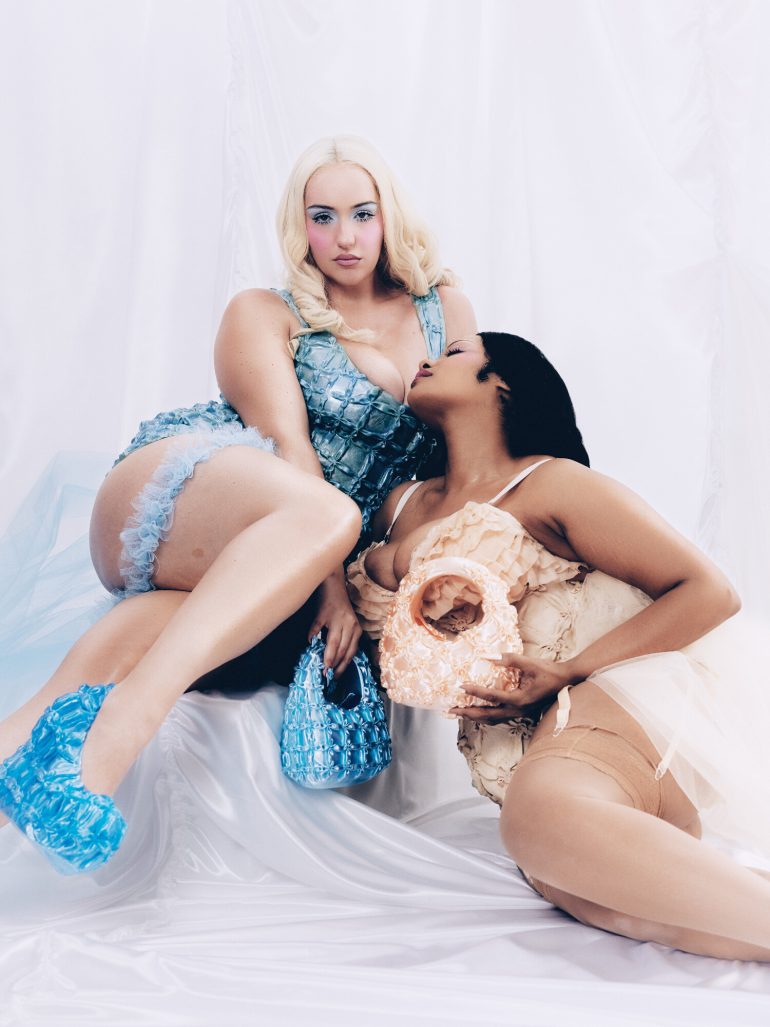
3D sculptural pieces, body-inclusive silhouettes, and the mythological essence of Aphrodite, Bhumi’s new collection Divine Garden stands as a striking testament to the power of self expression and the celebration of women of all sizes. Adorned by fashion icons such as Julia Fox and Nicola Coughlan, the brand has quickly emerged as one of fashion’s most compelling new voices.
Founded by designer Emma Van Engelen after witnessing the pressures of unrealistic beauty standards firsthand, Bhumi was born from a desire to reclaim control of the narrative and create a utopia where all women are celebrated for their true forms. At a time when the presence of plus size models on runways has notably declined, Bhumi feels like a refreshing reminder that fashion can still be inclusive, imaginative, and deeply human.
Divine Garden continues the story of the brand’s debut collection, Bathe in the Waters, which explored themes of fluidity, rebirth, and renewal. This new chapter evolves from the ocean into mythology, drawing inspiration from Aphrodite—who was born from sea foam—and celebrating sensuality, romanticism, and the enduring symbolism of the modern goddess.
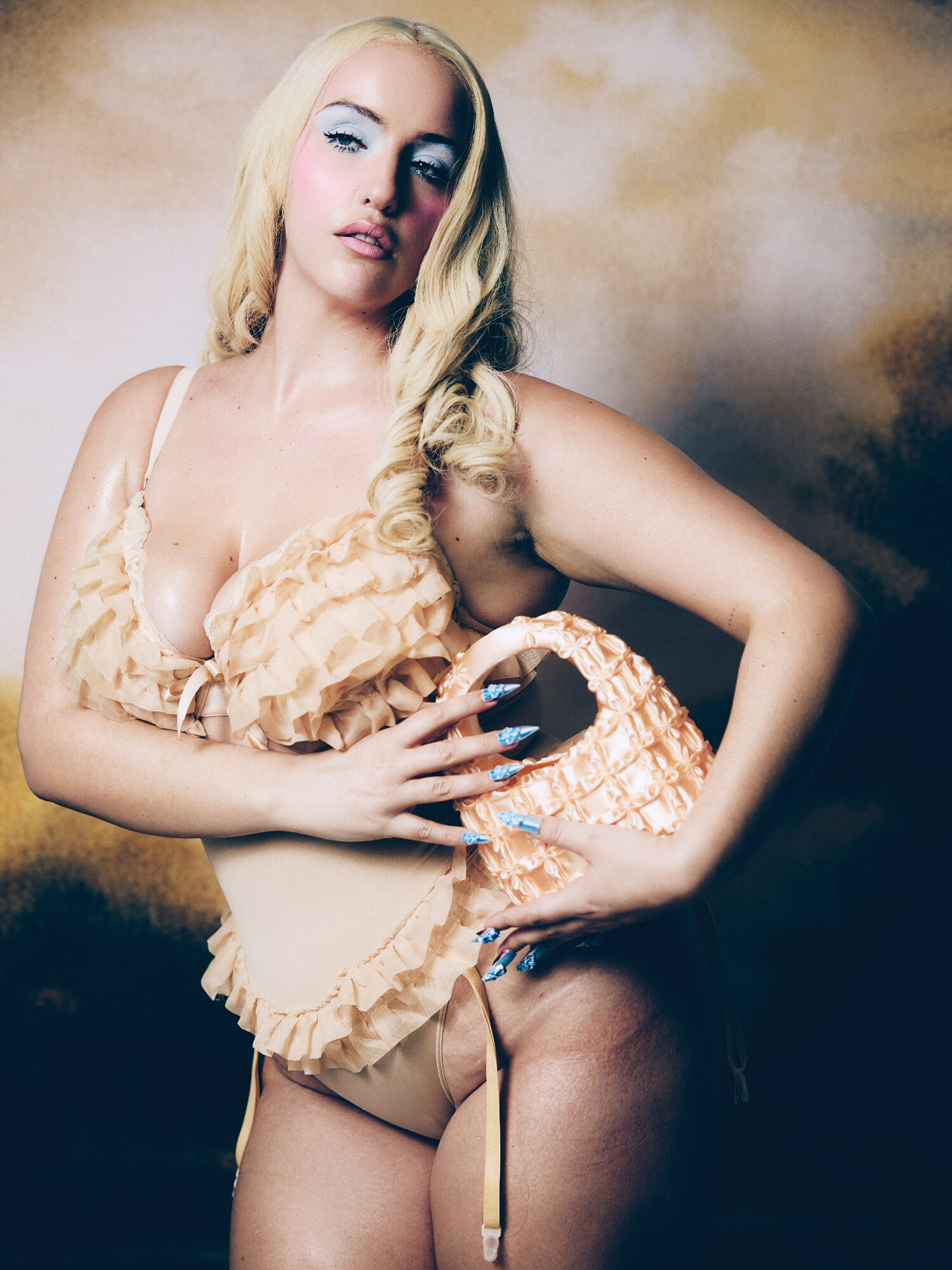
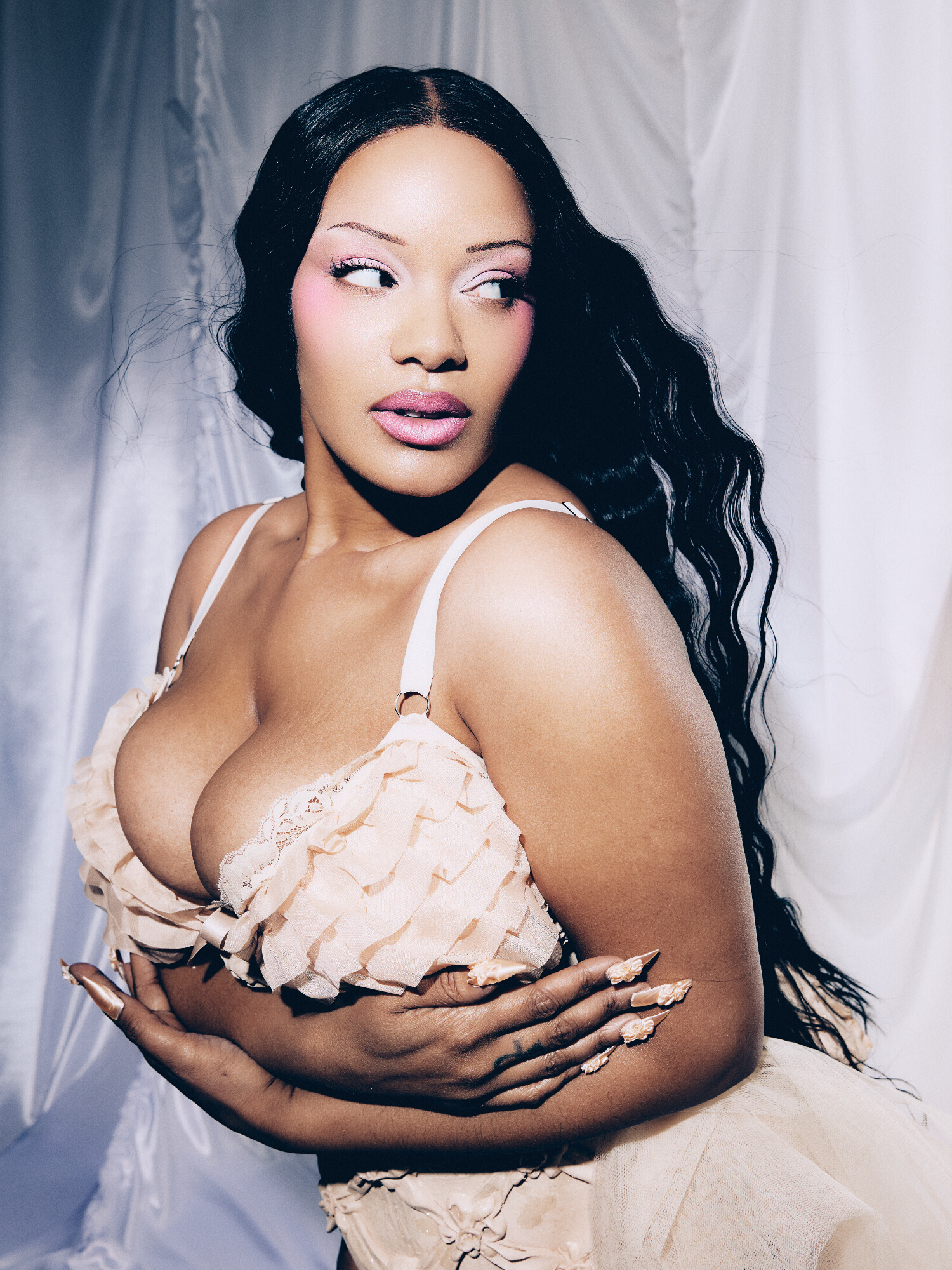
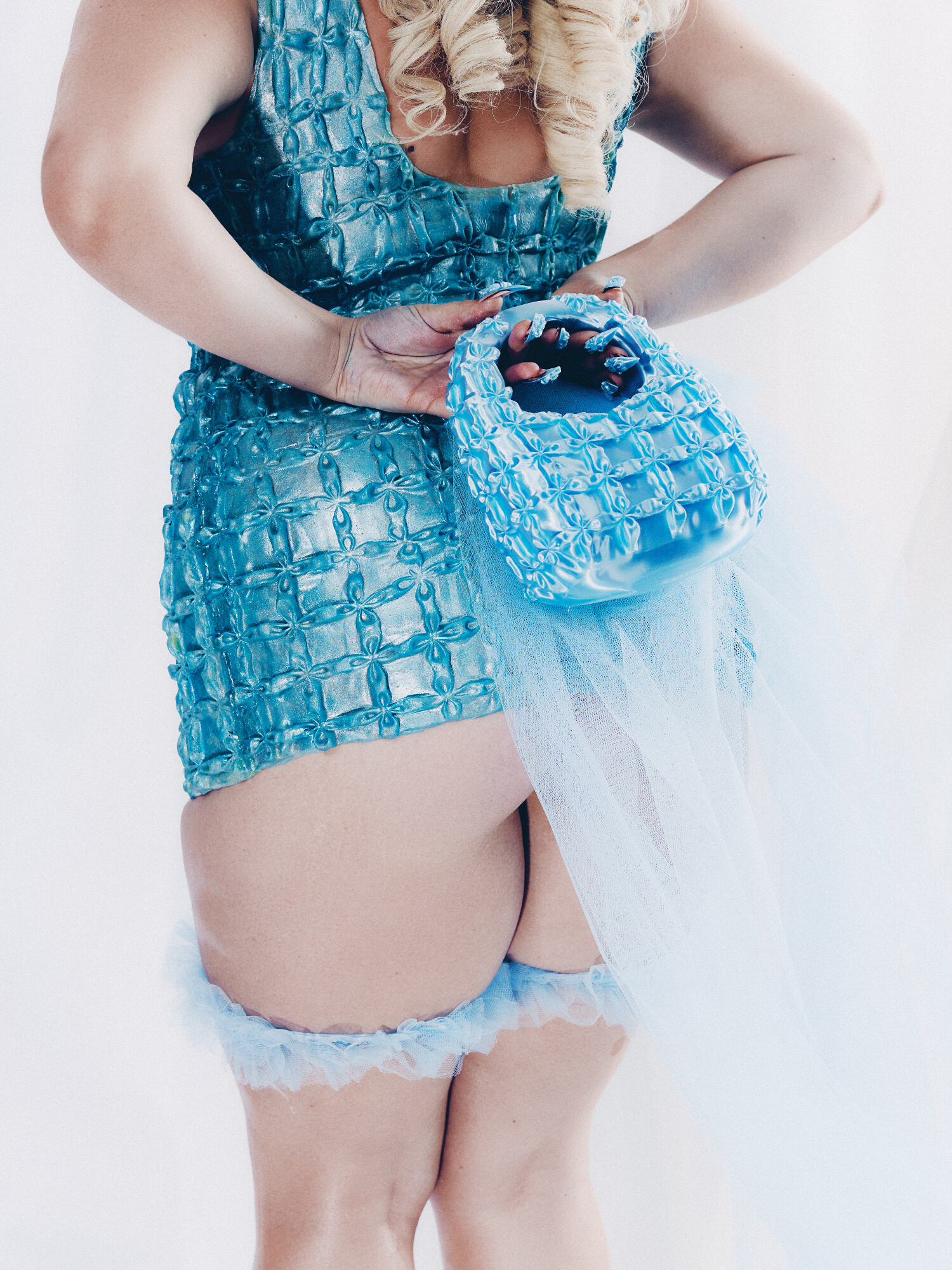
The collection introduces two sculptural bags, Aphrodite in shimmering light blue and Venus in a celestial champagne tone, crafted using biodegradable materials, alongside the brand’s first-ever 3D printed heels, transforming technology into wearable art. Shot by Chiara Steemans and featuring models Joann van den Herik and Jazz Khalifa, the campaign brings this mythological world to life, blending sculptural pleats, blossoming floral motifs, and ruffled textures reminiscent of classical statues and Renaissance paintings.
In conversation with Noctis, Emma reflects on her journey, her design philosophy, and the vision behind building a brand where empowerment, innovation, and beauty exist beyond traditional standards.
Bhumi celebrates fuller bodies and challenges traditional beauty standards—something that feels especially urgent in today’s industry. How have your personal experiences shaped this vision, and how do you ensure inclusivity is embedded in your design process rather than treated as an afterthought?
I started as a high-fashion model when I was 15, although I had already started getting scouted at 13. At that time, I was told that my measurements were still off. So fitting in became my obsession, because I was promised that I would be walking on runways. I remember thinking things like, if I lose this weight this week, then next week I can meet with agencies in New York.
That obsession—especially around 2013—was incredibly strong. Agencies would fixate on one or two centimetres, and I eventually realised how ridiculous it was that this was even a thing and I was so young, and I kept thinking that once I got older. My health plummeted because I couldn’t keep this up. Because to try and keep this size, I had to exercise and eat so little that I became ill and struggled with fatigue. Even leaving the industry for like 5+ years, I saw some change and I decided to come back as a curve model. However, when I came back, I also witnessed firsthand that many of the changes felt superficial. It reminded me of greenwashing, but applied to fuller bodies. brands claiming inclusivity, while ultimately just trying to sell more products. In the end, I realised that I didn’t really see the meaningful change that I expected and instead of being upset and frustrated by it, I decided that I want to be the change. That will be my mission for my brand.
In the design process, it’s really on the forehand because I am really inspired by fuller bodies. I also think clothes look a lot nicer on a fuller bust or a fuller body. So the clothes are an afterthought because for me it starts with the body. I think that’s why very often in my work you’ll really see the body very clearly because I think it’s really beautiful as it is and that the clothes just enhance it.
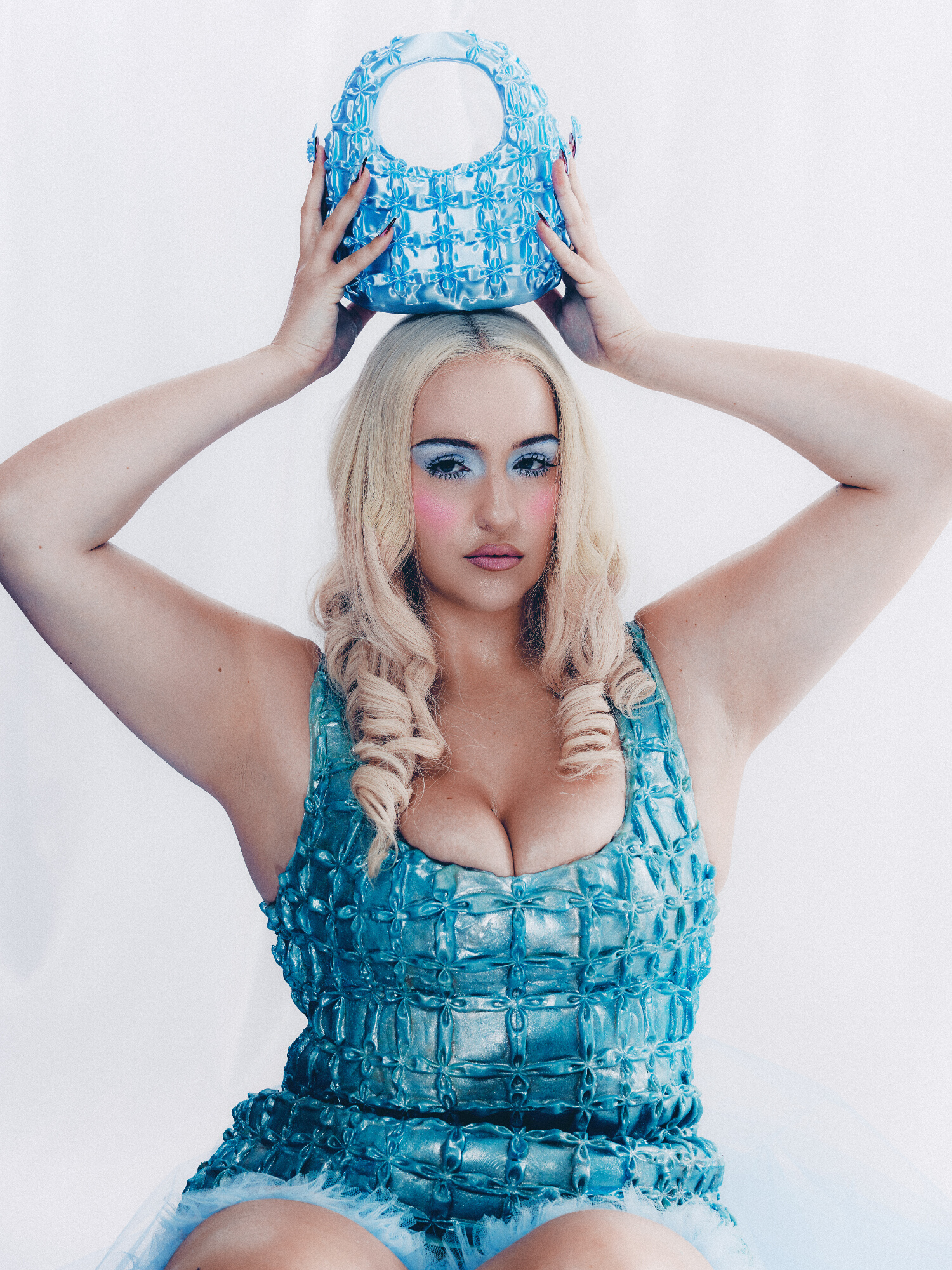
With its romantic, Greek influences, do you see Divine Garden as a form of escape from the industry’s noise—a space where real beauty can be celebrated more freely?
I do see it as an escape, but not necessarily this project in itself. I feel like it’s something that I always naturally gravitate towards. Most of my work exists as a vision—almost like a world that I create and can step into, a kind of utopia that represents my ideal place. So for me, anything that I create lives in its own world.
This collection is called Divine Garden and the pieces that I created live in this atmosphere inspired by the ancient classical times and by how these stories have been reinterpreted across different centuries. So the core of my work isn’t really about escape, it’s simply the norm for me.
How does Divine Garden build on or depart from your previous collection, Bathe in the Waters?
This question is actually really nice because Bathe in the Waters is about washing away our past—about rebirth and renewal. It’s water-themed, but more specifically ocean-themed. What’s really special is that Venus, who is also known as Aphrodite, is born from sea foam. So mythologically, it creates a beautiful sequel, because the ocean becomes the next chapter. She emerges from the sea, from the ocean’s foam, which makes this story feel like a natural continuation. And I really like these kinds of stories. I like to live in them and I really enjoy reading these kind of mythological stories.
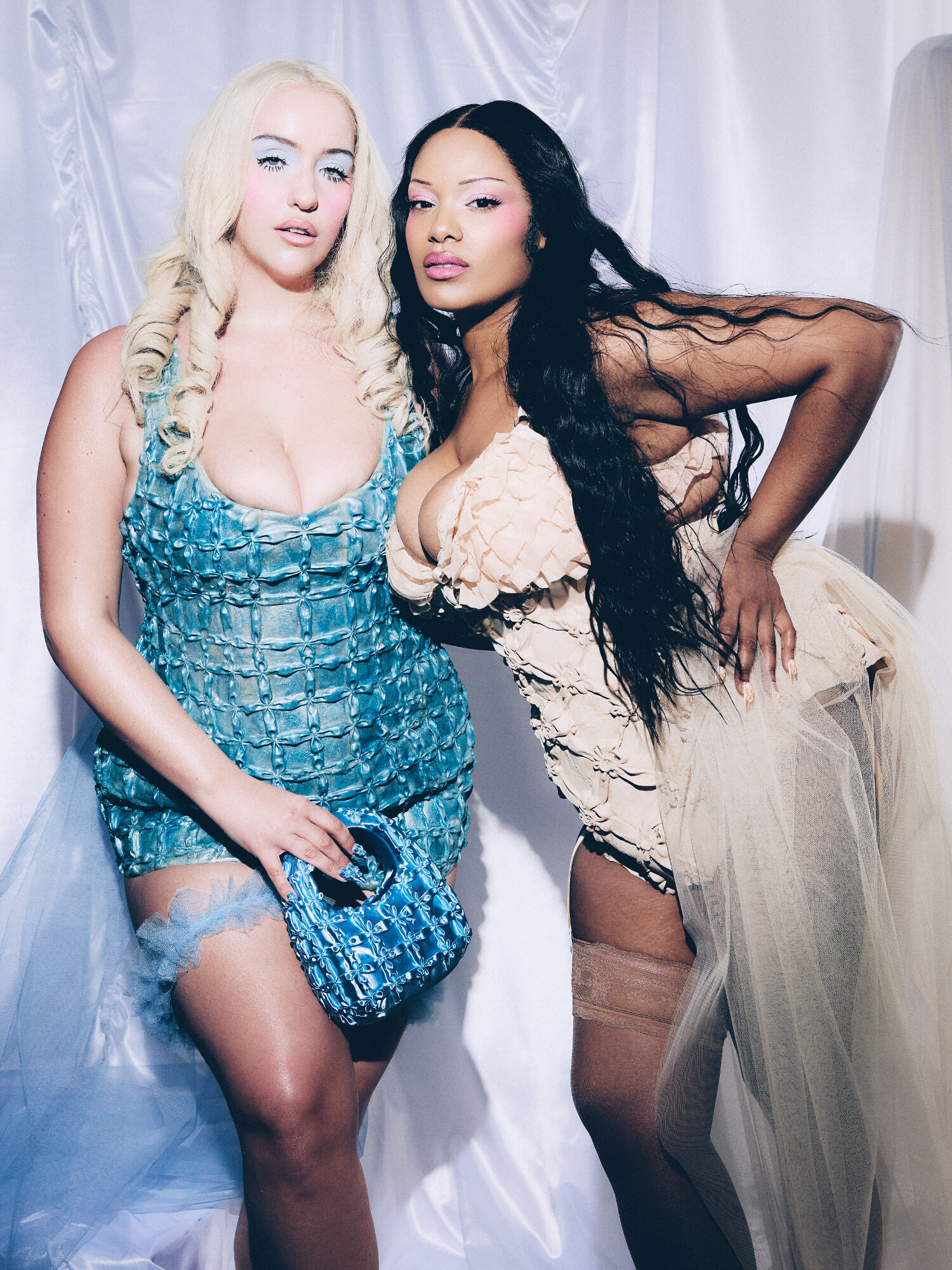
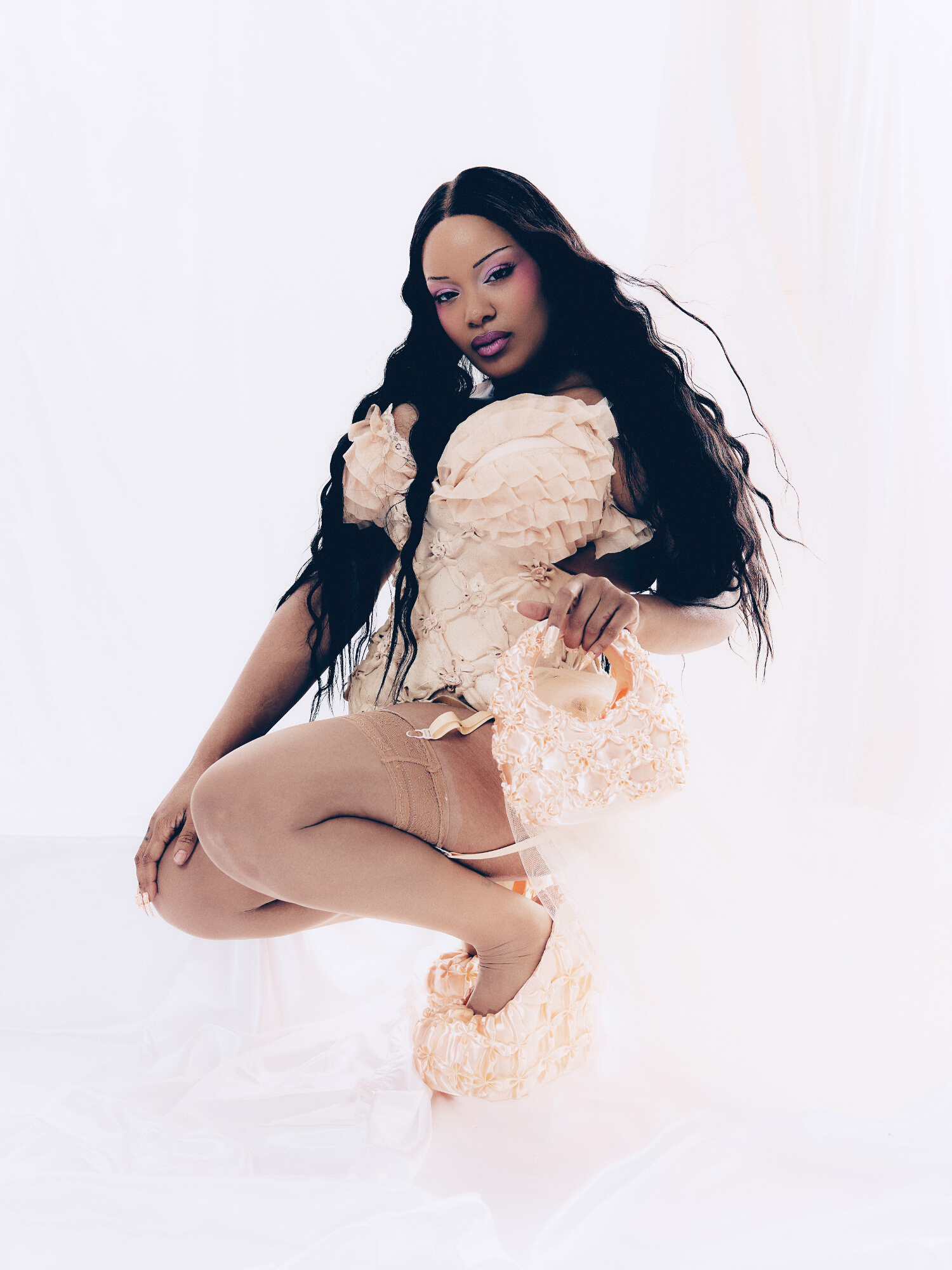
Aphrodite has been reimagined across centuries—what drew you to reinterpret her myth at this moment, and what does the idea of a “modern goddess” mean to you beyond traditional ideals of beauty?
I wanted to reinterpret her because I realised that I was really fascinated by her. Whenever I look at my work or my mood boards, I keep returning to the same visual references of these classical statues, and very often the painting The Birth of Venus. So I started researching her more—what she represents, what stories exist around her, and what she symbolises.
I felt drawn to her, especially because the world right now can feel so harsh and full of pain. In my own personal development, I find myself striving for love and passion, and I think that naturally made me gravitate towards her. She feels like a reminder of what we need or what we long for as humans.
The idea of the modern goddess is something I aspire to embody. For me, it’s not about tradition or fixed beauty ideals. It’s about a kind of inner strength, something that motivates me to wake up every day with purpose. I see the modern goddess as the modern woman: resilient, evolving, and capable of so much. When you think about it, women have carried strength through centuries creating life, giving birth, nurturing, sustaining. There is something deeply powerful and almost magical about that. And I think it’s important to keep that sense of magic alive, rather than treating it as something ordinary.
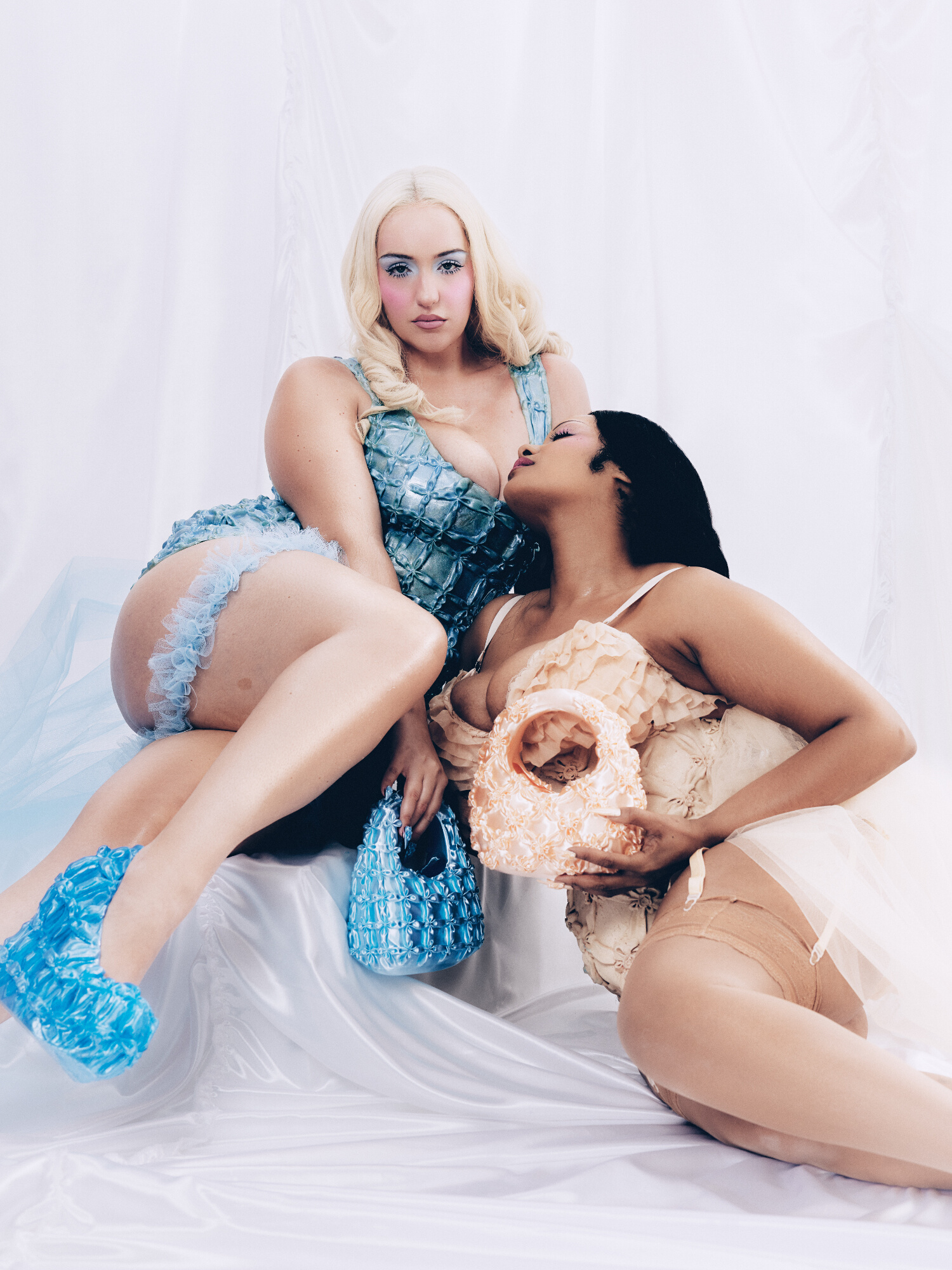
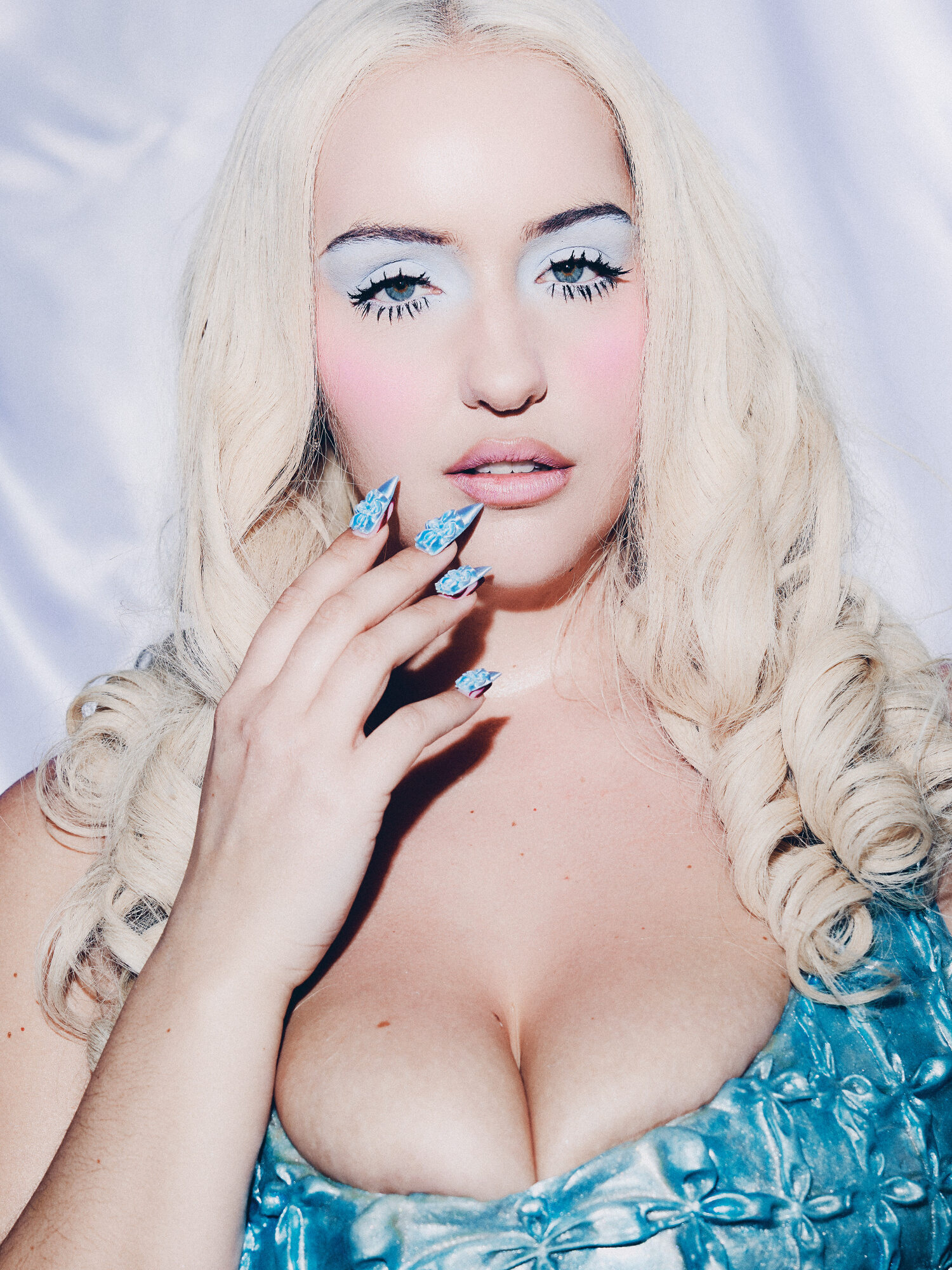
There’s a strong sense of sensuality and self-possession in Divine Garden—how do you balance intimacy with empowerment in your designs?
For me, intimacy and sensuality are forms of empowerment in my designs, just because I grew up quite conservative. I really felt that I was forced to dress modestly. So for me, it’s an expression of freedom and I think it’s also because we tend to want to hide certain bodies.
I want to showcase what I believe is really beautiful and help normalize it through sensuality and intimacy. I don’t want it to be sexualised, I want it to feel beautiful and natural. And empowerment is fuelled with being proud of your own body and having a sense of freedom within.
This is Bhumi’s first venture into footwear, what were the biggest creative or technical challenges in developing the 3D-printed heels?
The biggest challenge was for it to be comfortable and wearable, so I had to diverge because normally I print with PLA but now I had to learn TPU and TPU is flexible and comes with its own set of rules. It was quite complex to get the hang of it, understanding how to shape the shoe comfortably, and how to mix different materials because obviously, not every part of the shoe can’t be flexible; the heel, for example, needs to remain strong and structured. So I did a course, which explained how heels work, and how 3D printed heels work. So it really felt like a creative new unlock, understanding and developing heels. And I’ll be doing a lot more footwear.
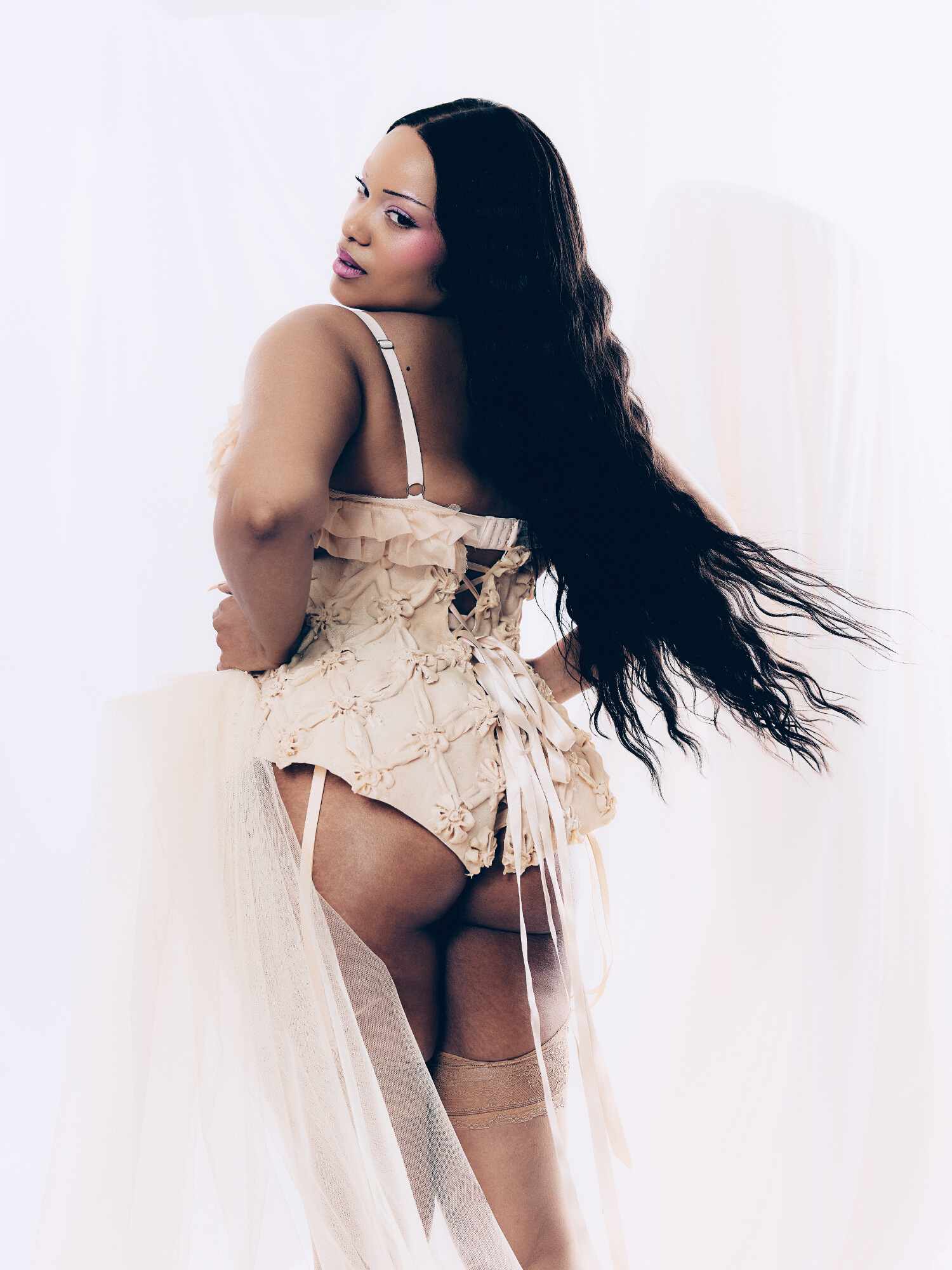
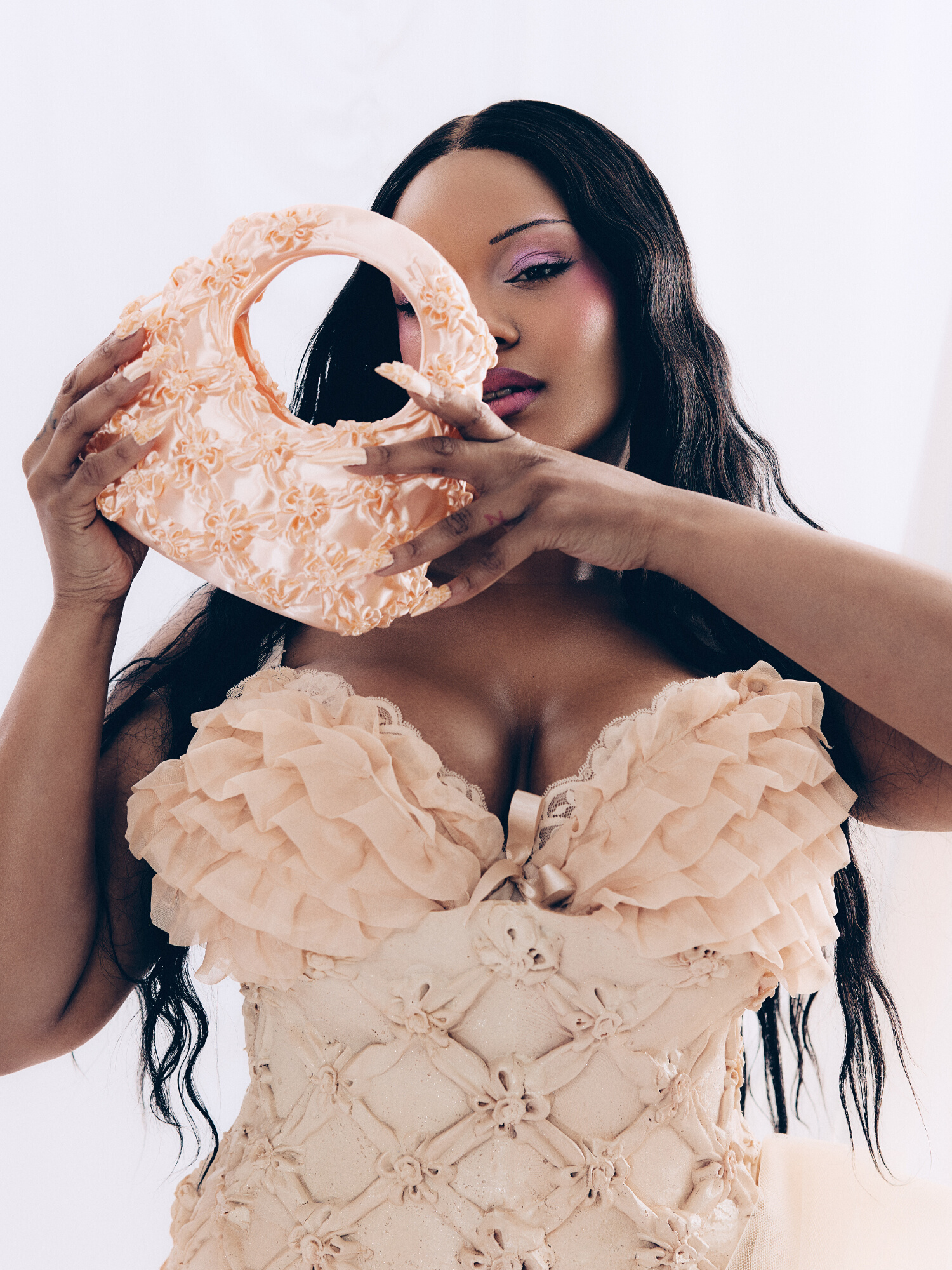
What was important to you when directing the models in terms of movement, energy, or presence? How do you create a space on set where models feel empowered and not just “styled”?
I tend to work mostly with women, to be honest—it’s something I naturally gravitate towards. Especially if the ideas are a bit more sensual, I think it’s just nicer to have a team of women. Also most models that I work with are quite confident within themselves and I also praise a lot during shoots because I see my vision come to life and I get so enthusiastic so I’m just like, “Wow, you look so beautiful. This is exactly the vision.” I really try to make them as comfortable as possible for them to ooze out that confidence, so it’s always really about the model’s well being. I try to see what works for them, whether they are hungry, thirsty or feeling comfortable as I really feel that comfort gets transcended into the images.
So we try and make sure but it’s never fully possible. For example, during the Divine Garden campaign, it was cold on set. But I’m also very intentional about the models I choose. I feel that the women I work with now genuinely fit the aesthetic, and both of the models on that shoot were very confident and aligned with the vision.
The Divine Garden collection is available now on the Bhumi website
www.bhumiclothing.com
Follow Bhumi on Instagram
Words: Nandini Bhattacharya
Photographer: Chiara Steemans
MUA: Aoife Dewandeleer
Wigs / Hair Stylist: Victoria Zynwala
Models: Joannvander Herik and Jazz Khalifa
Videographer: Raphy
Assistant: Liza Gerdan