
“This is who I am. There’s nothing restricting me, I’m fully free.”
Humza Syed finally knows who he is as an artist. Growing up in a conservative South Asian household in the suburbs of L.A., the now NYC-based stylist and director has strived to overcome outdated cultural expectations and preconceived judgments to get where he is today. Starting his career in content creation in 2020, Humza began styling videos that helped him build his brand and create a name for himself while amassing an impressive portfolio along the way, including collaborations with B.B. Sofia, Rubina and GQ South Africa.
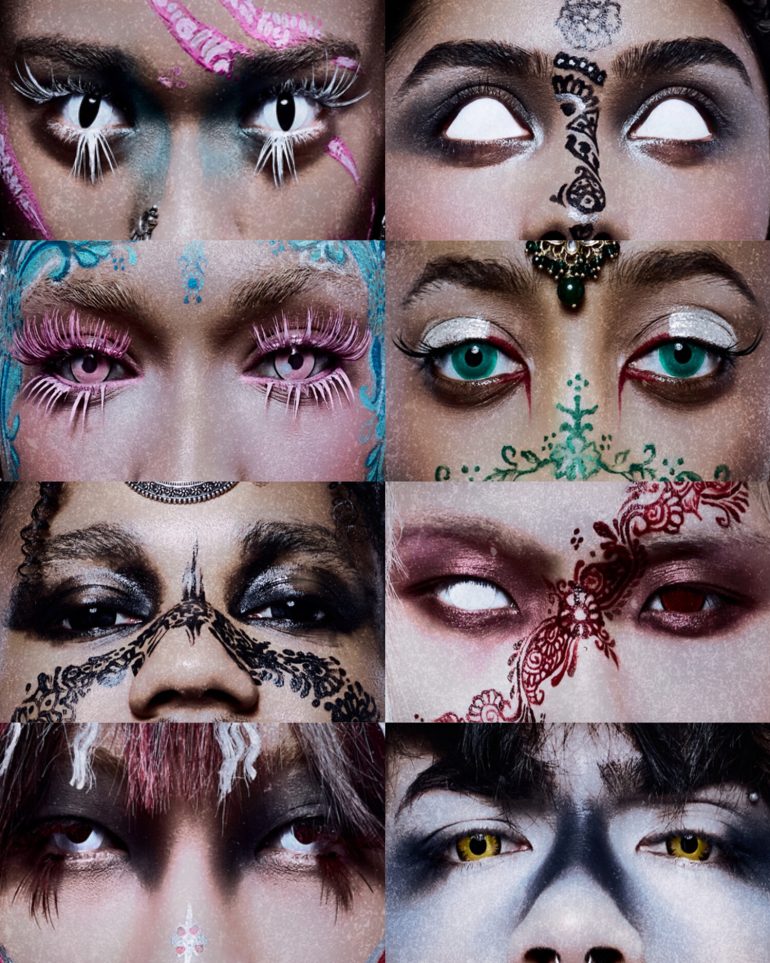
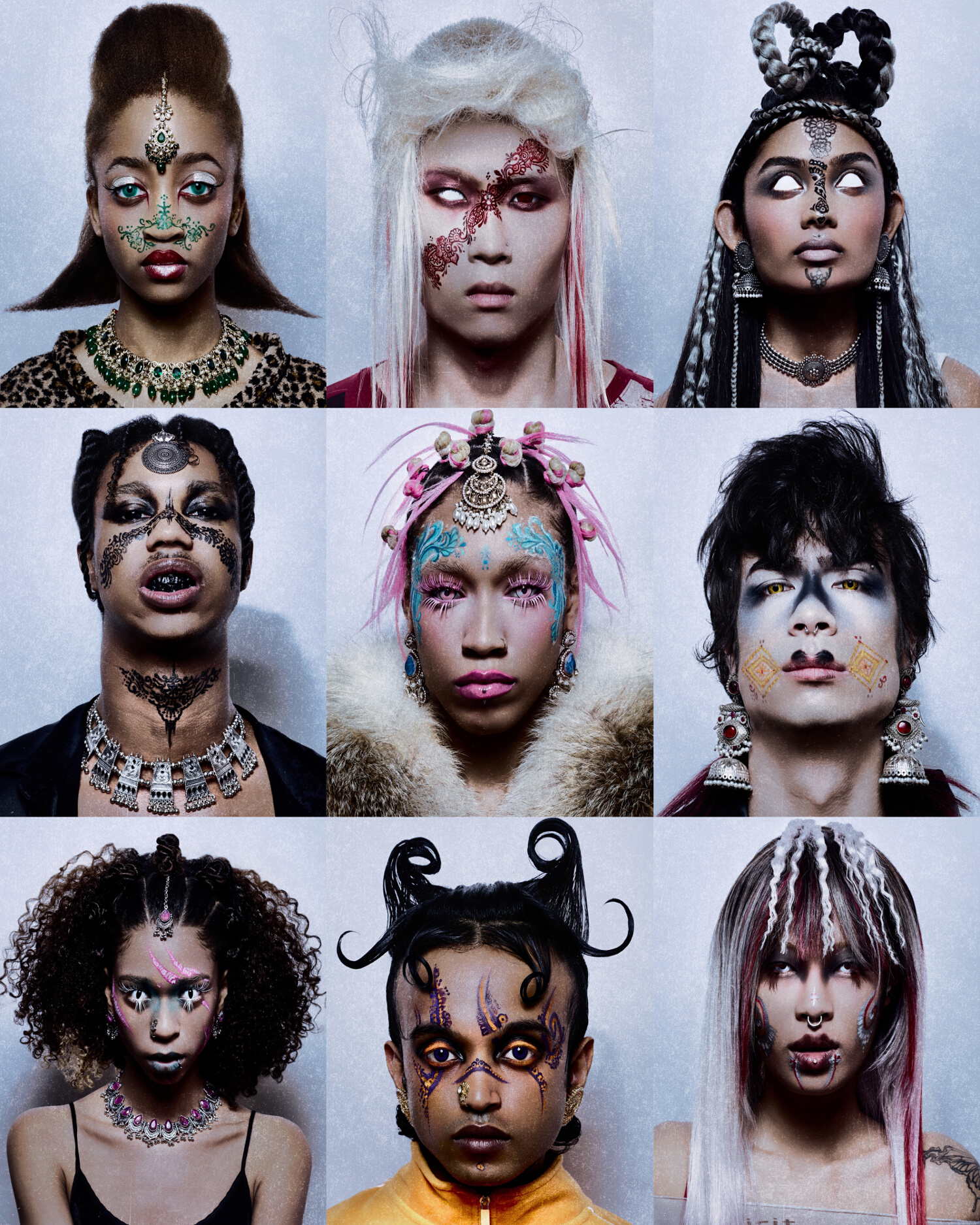
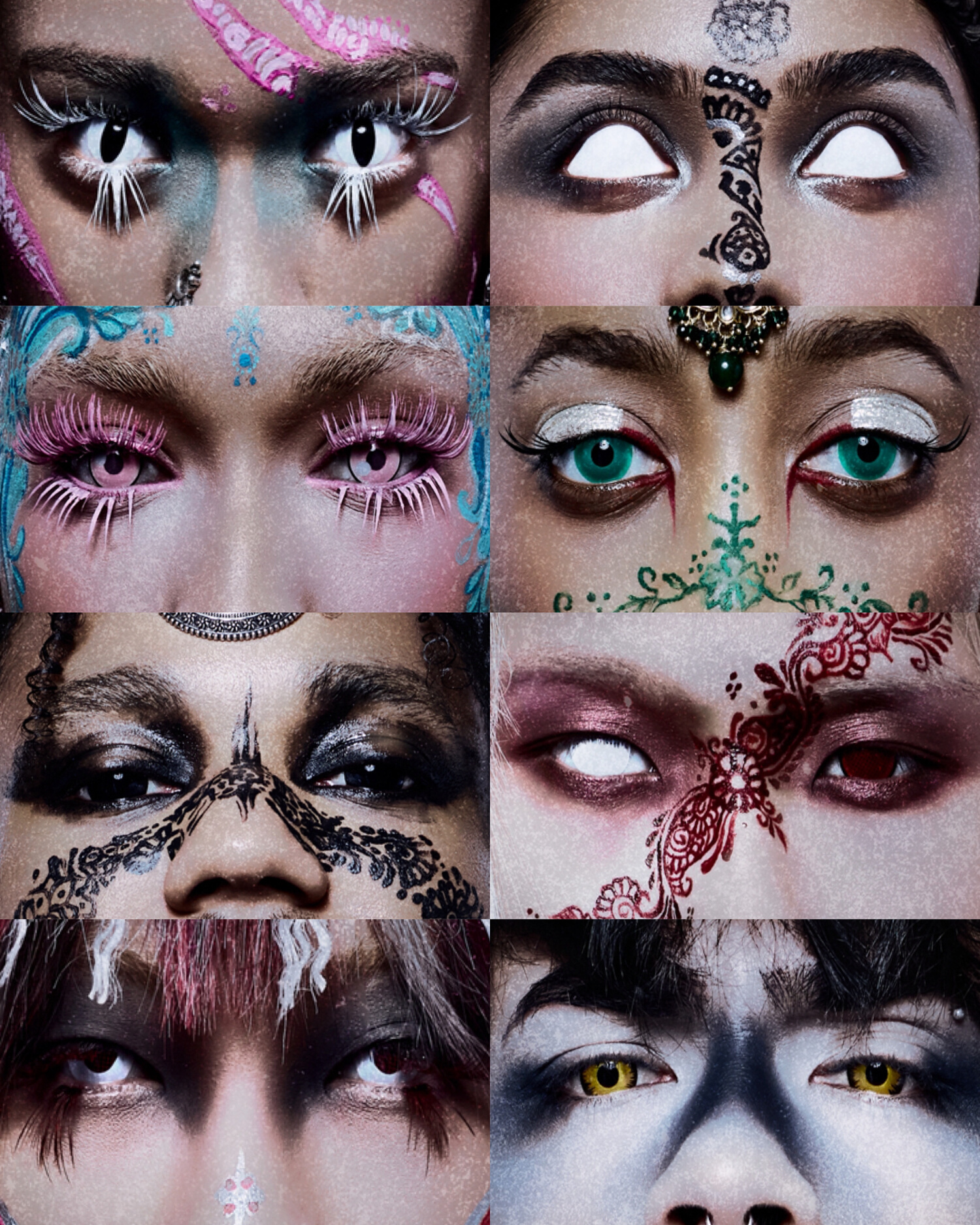
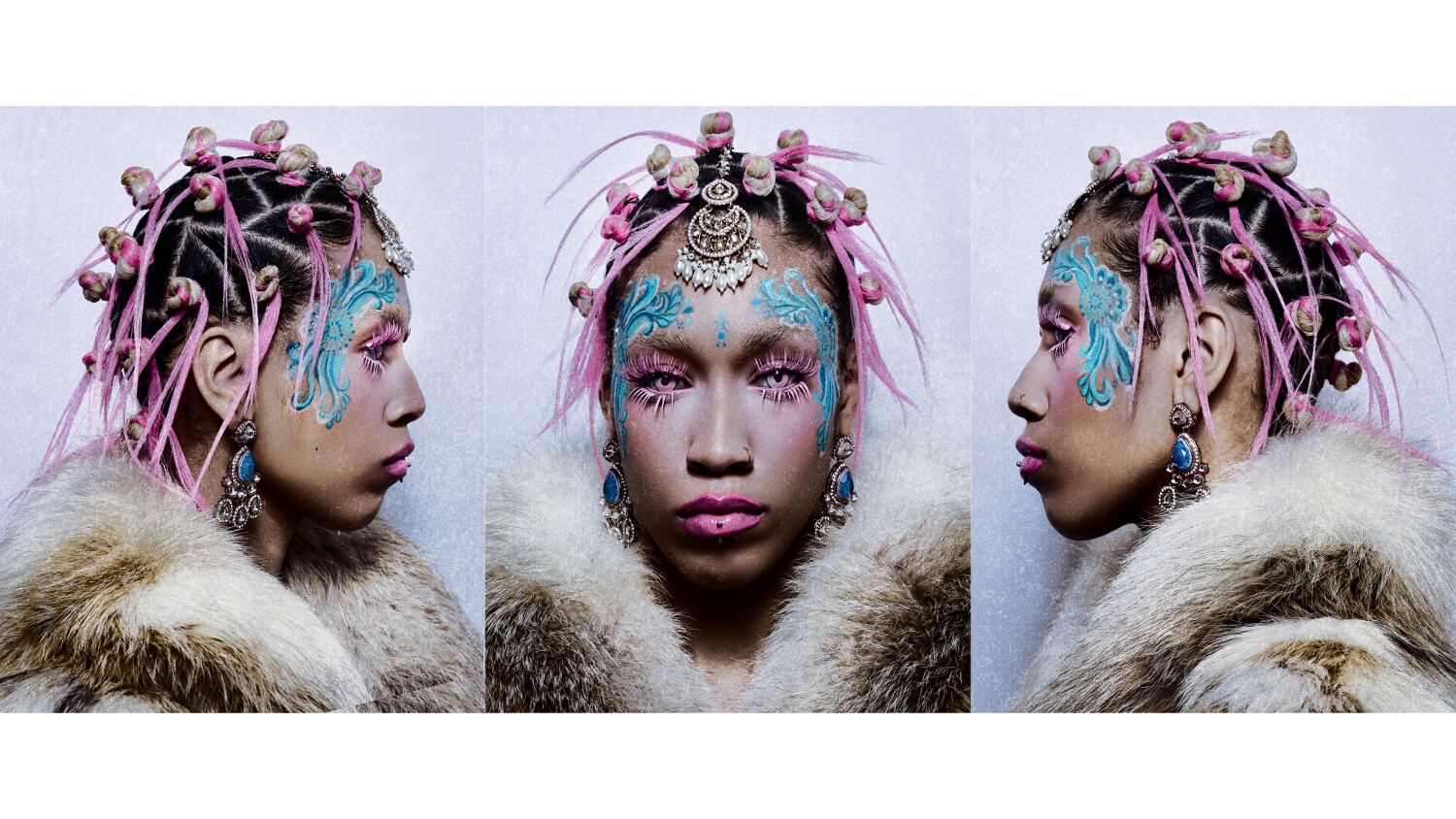
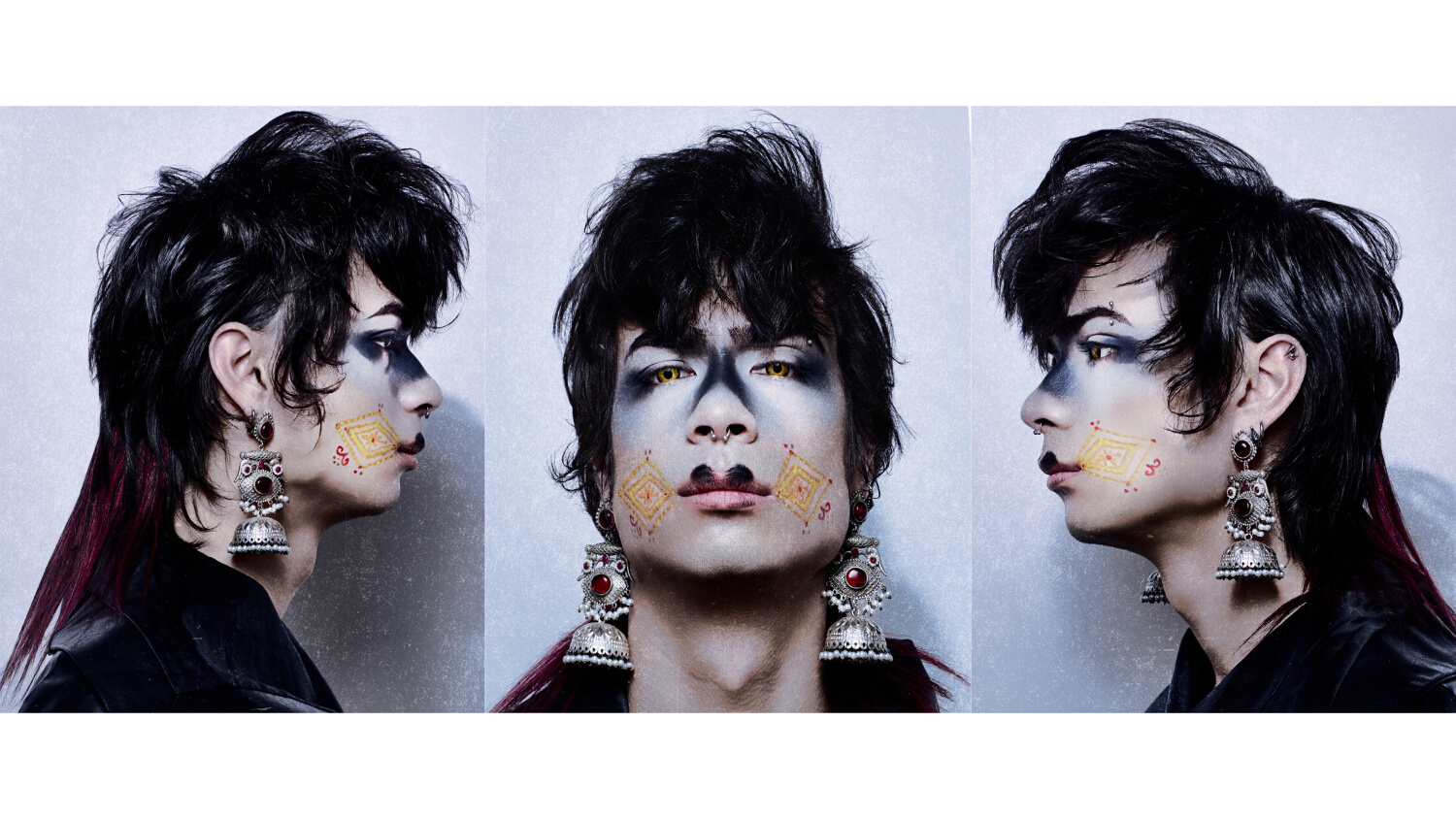
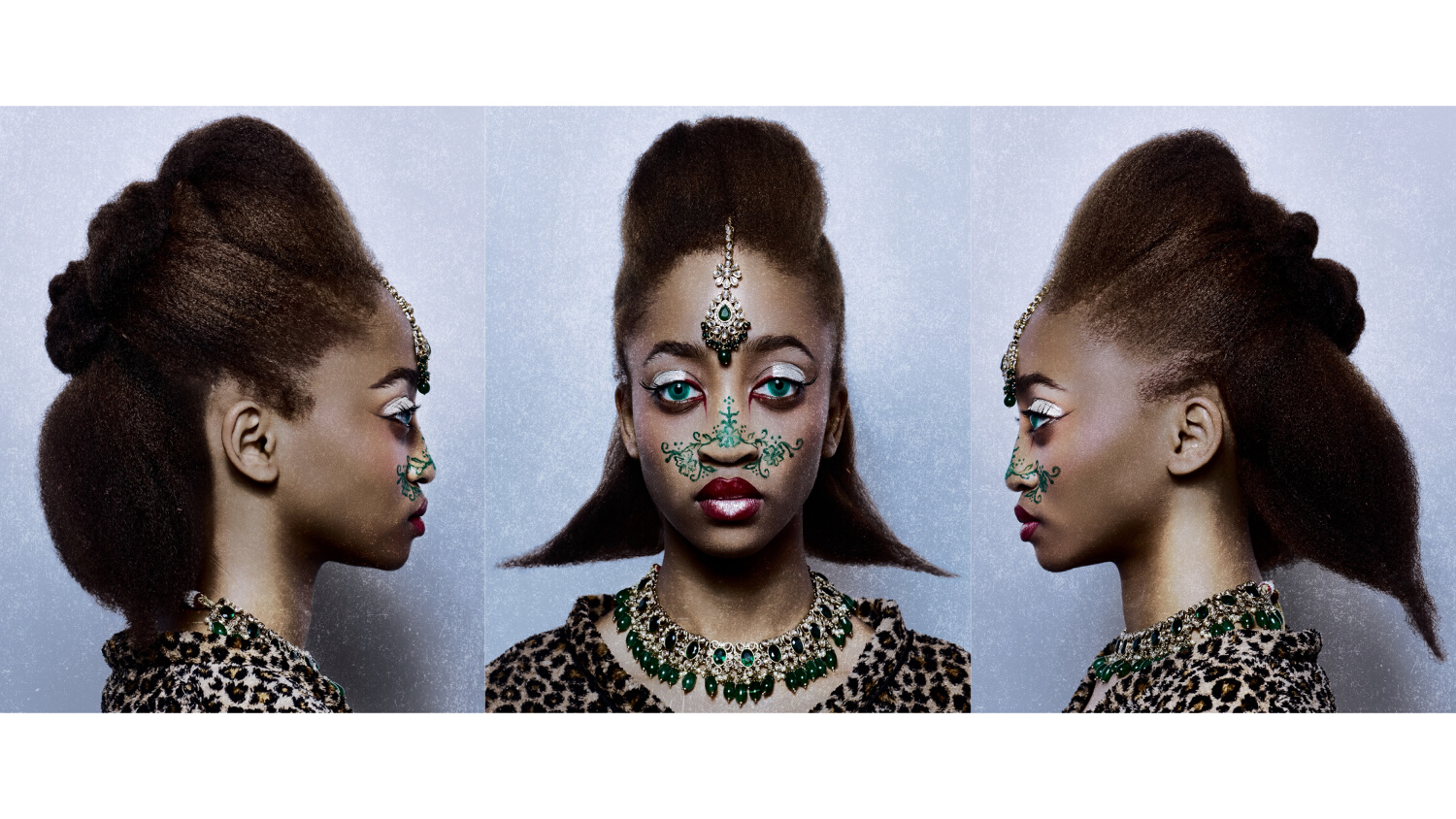
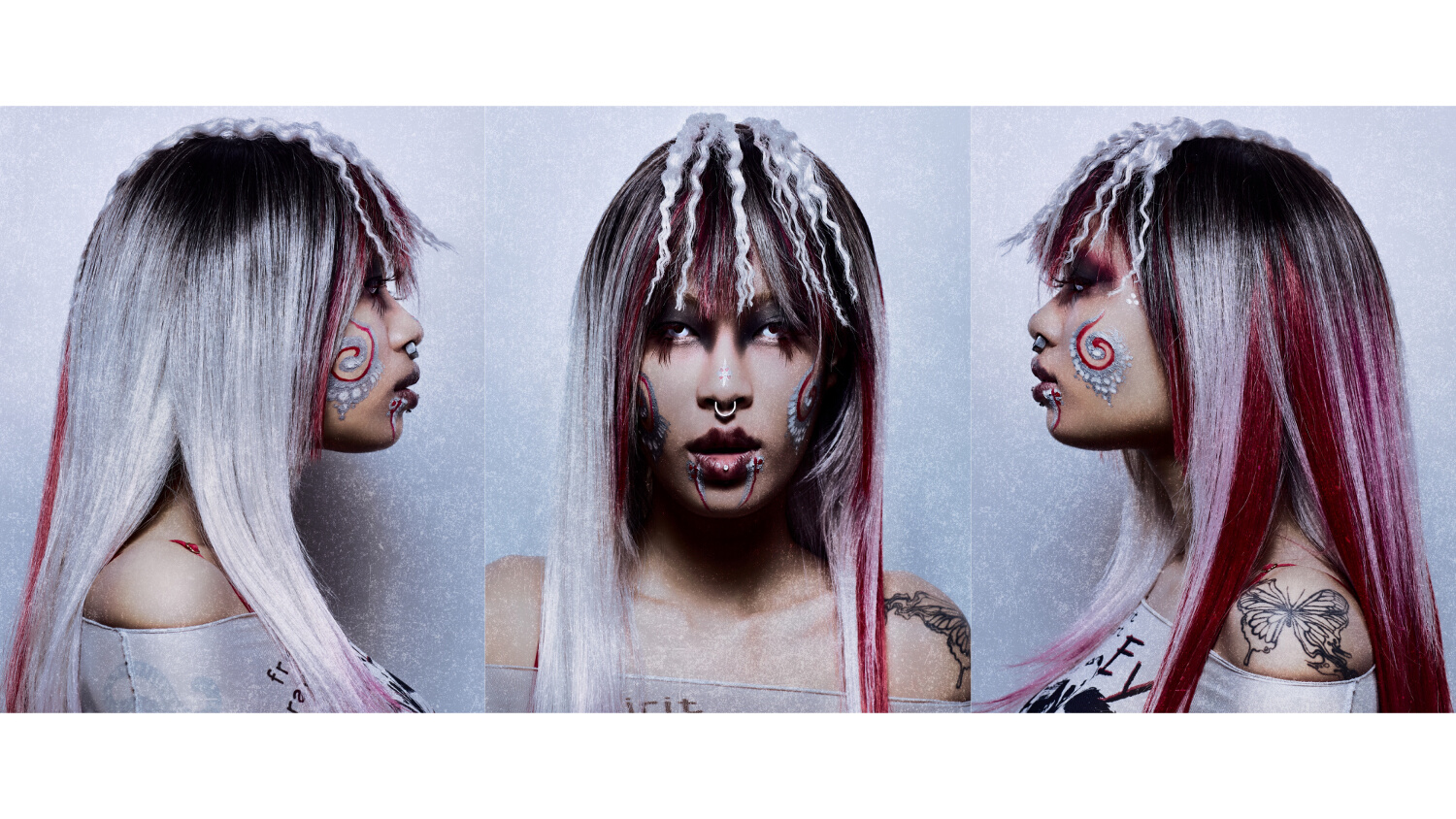
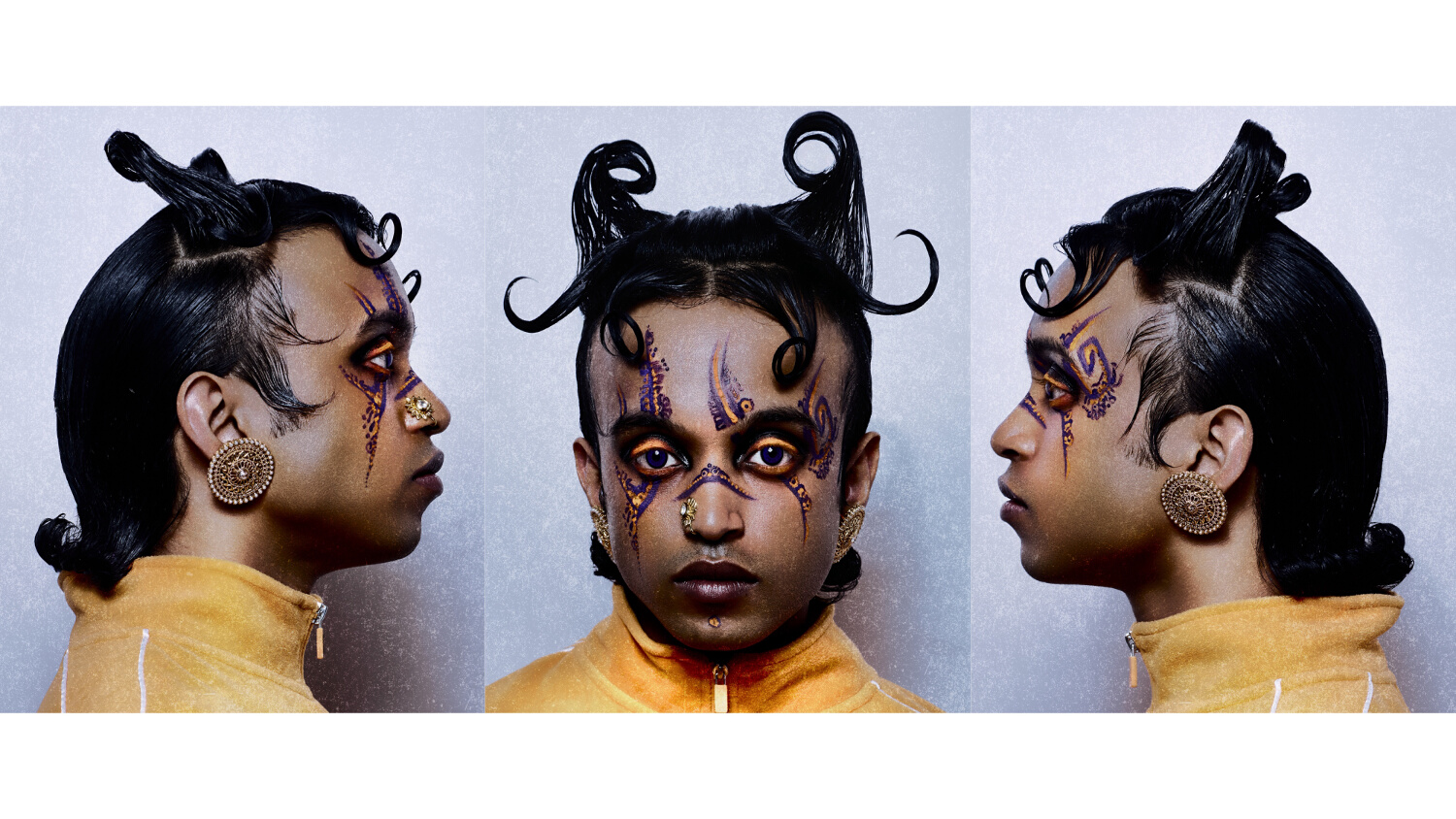
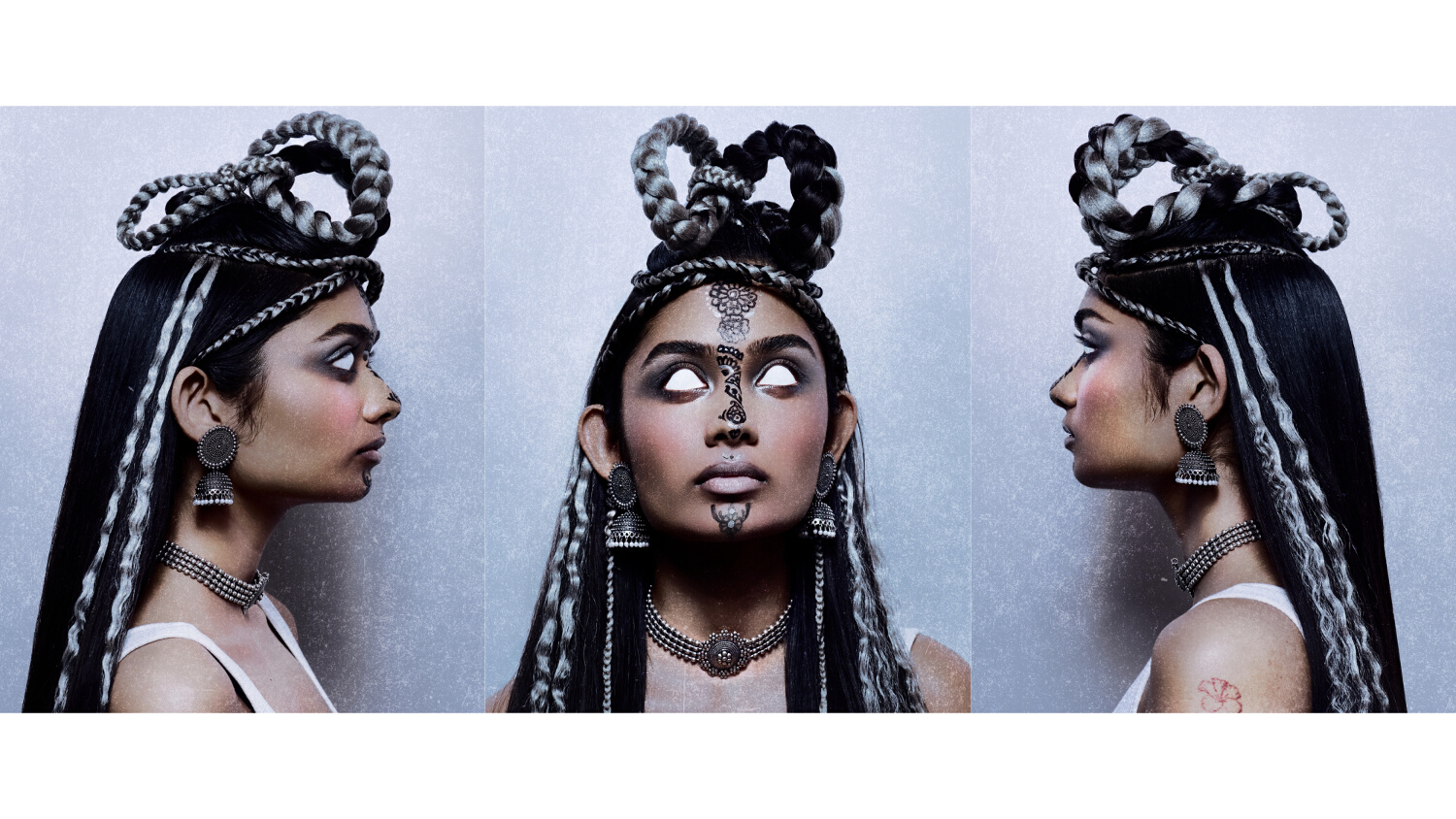
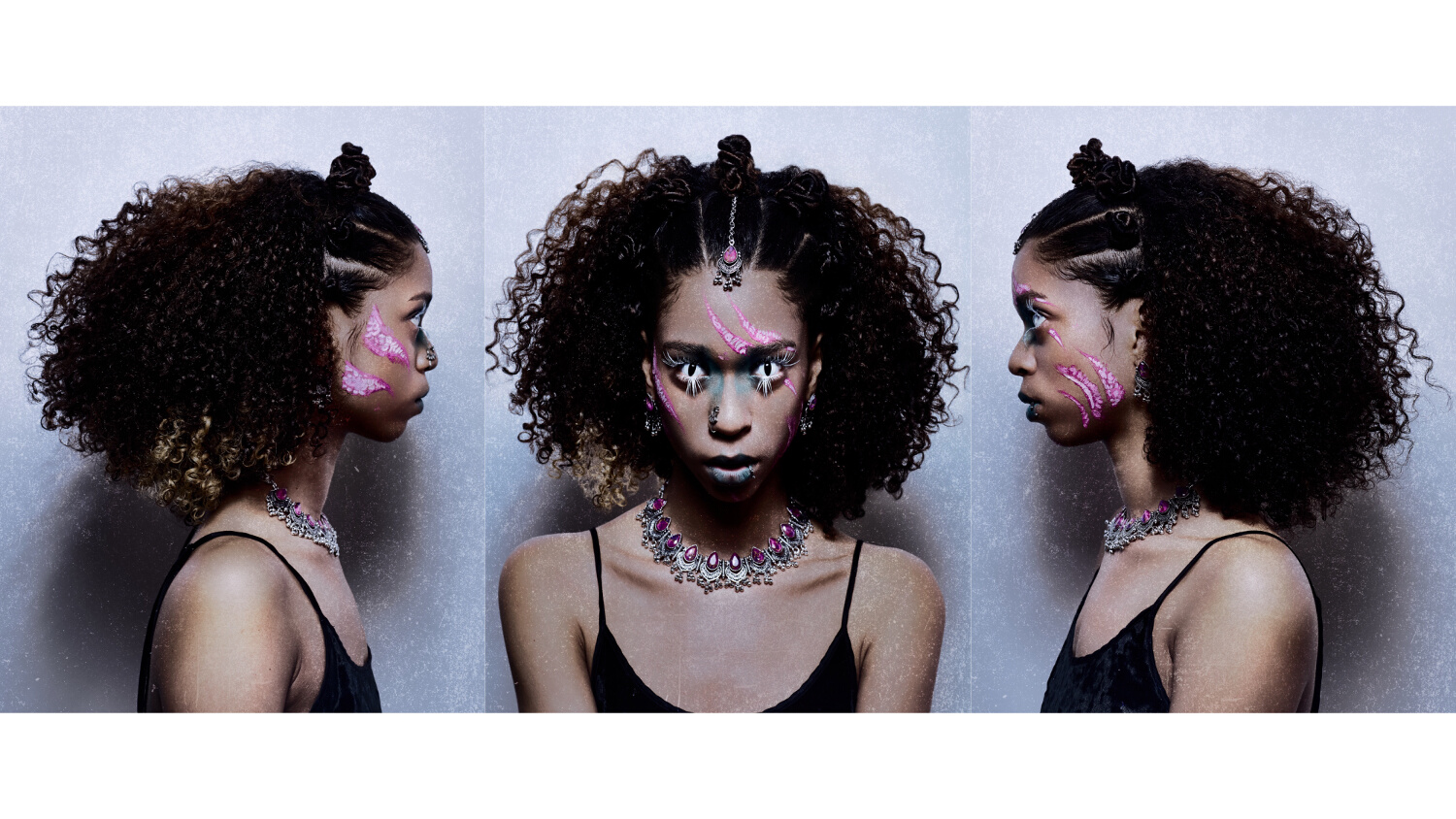
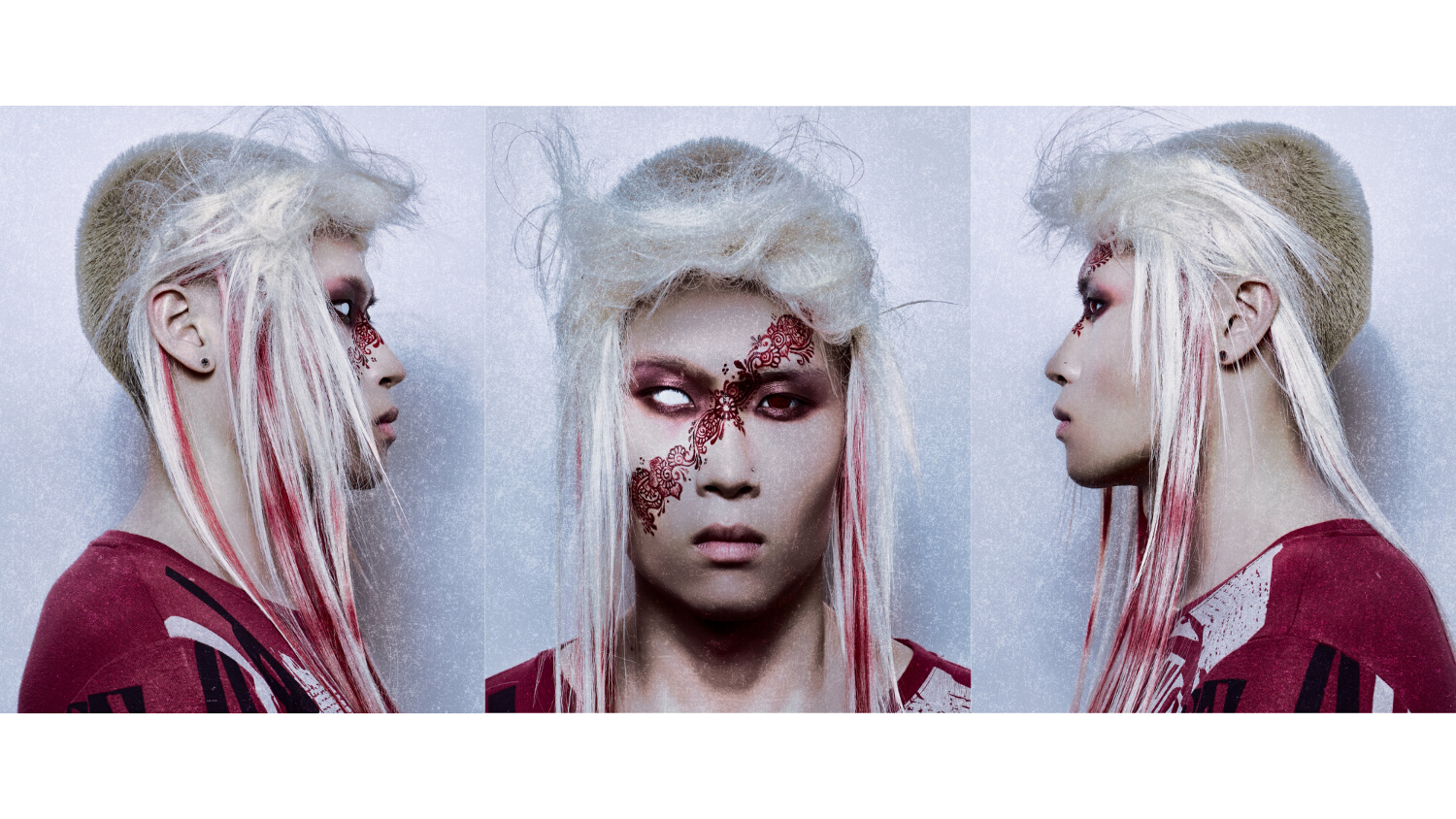
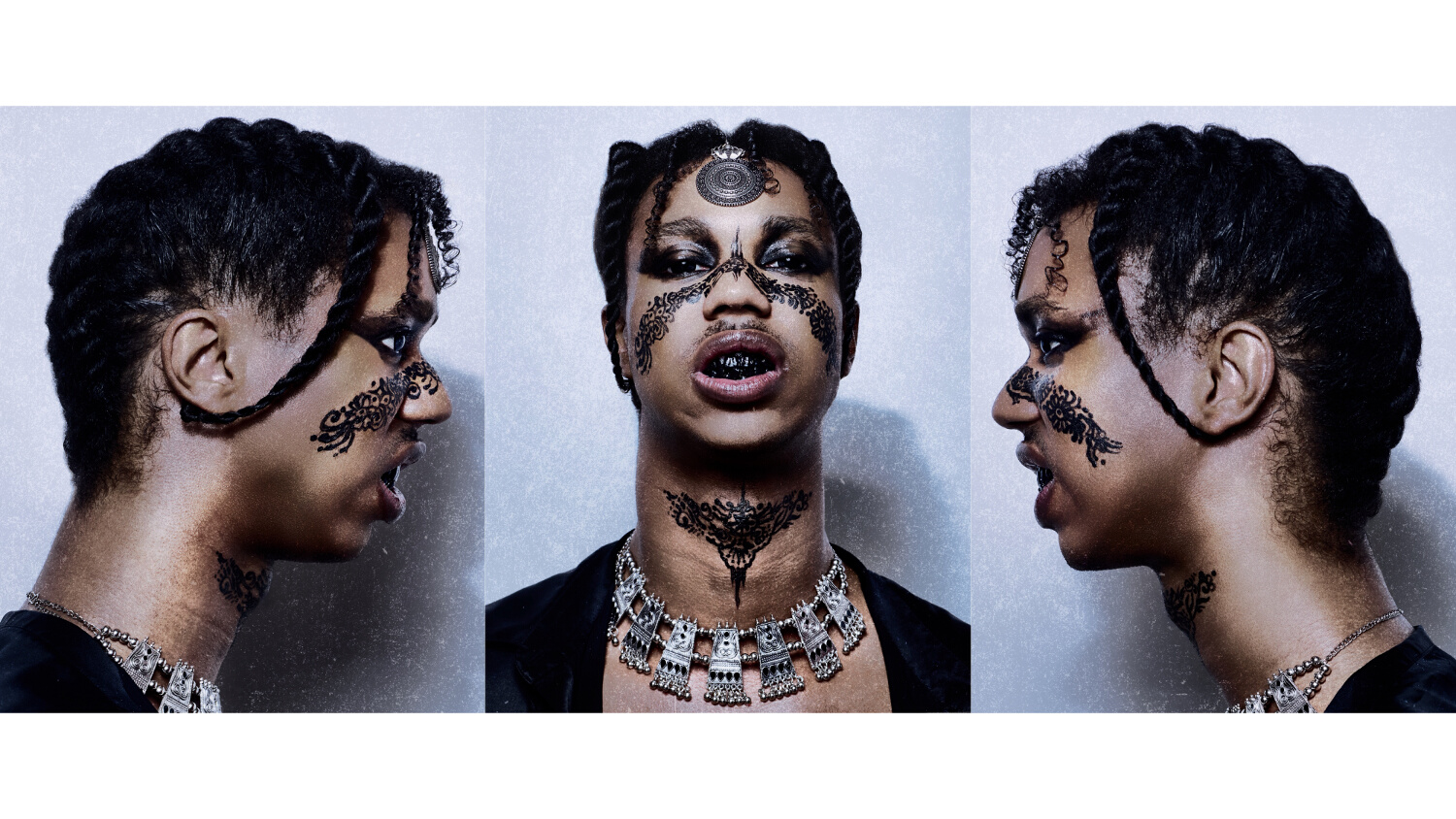
With his latest visual project (ME)HEND(I), a Humza Syed explores the artistry of henna in an unconventional way. Traditionally displayed on hands and feet, henna in this series is adorned on faces paired with alternative hairstyles, jewellery, and piercing eye contact to reflect an authentic sense of self. Following a move to NYC and connecting with other likeminded Brown creatives, Syed found himself reconnecting with his cultural roots. Through his work, Humza Syed aims to not only to represent his culture but also to showcase the often underrepresented creative capabilities of South Asian artists.
When did you first fall in love with styling?
I would say 2023. That’s when I started styling. I was always into fashion, and then I started creating content about fashion by styling myself. I love playing dress up as much as any fashion person. I always had this imagination of myself styling other people. And I started realizing that’s where I want to be. I like building characters through outfits without restrictions… I can just kind of go crazy.
Who were your inspirations growing up?
Lil Uzi is my biggest inspiration. I love them. Karl Lagerfeld, Vivian Westwood, and Alexander McQueen as well. Anime is a big inspiration. All I watch is anime. I always say that as a kid, my parents did a great job raising me, but anime raised me more than they did in how I see the world and how I treat people. When it came to fashion, everyone knows anime is super fashionable, and I got a lot of inspiration from that too.
What is your favorite anime?
My all-time favorite is Naruto. I also like One Piece, Fairy Tail, Gachiakuta, etc. But Naruto’s hands down.
Tell us about your the meaning behind the title of your new photo project (ME)HEND(I).
The whole word is (ME)HEND(I) which means Henna. But if you break it down, “Hen” in Middle English means to control. If you translate or read it backward, it kind of says “I control me.” It means I control my own life and no one else does.
With Henna often being associated with South Asian culture, what made you decide to include a diverse range of models from different ethnicities?
I’ve never been exclusive about my culture. I love bringing others into it and making them feel welcome. It’s a beautiful feeling when you are put into a world that isn’t yours and have the chance to experience it. You know, there are millions of cultures out there, and I believe we should be able to indulge in other ones. Of course, be respectful about it.
What was the planning process like for this shoot?
We did it at my homegirl’s studio. She’s a hair stylist. She did the hair for the shoot. It was a really small studio. I originally planned to buy a studio, but it would have cost $1,500 for two days, which is a lot of money. A lot of money was being spent, and she offered to do it at her studio. It was really tight, but we made it work. That’s why we split it into two days. I originally had three hairstylists; two left, and the third said they could do all nine models. It was extremely dope. That’s probably my favorite shoot.
Is exploring your culture in your work something you’re keen to embrace more?
When I moved to New York a year and a half ago, I was in this period of reconnecting with my culture and my roots. I started going crazy on how I just dress and how I look. And when I started directing, a lot of the shoots I was doing were very culture-based. However, I think a lot of people started to see me as “the culture boy,” and it was cool at first because I was making a name for myself, but then people started thinking, “Oh, that’s all he does.” But I have way more versatility than this. So now I just bring hints of my culture into shoots because we already don’t see a lot of brown people in this industry. I like including our culture because it’s dope. Our shit is dope.
Did you grow up in a creative family?
No, I’m actually the only one.
What was it like being the only creative in your family, do you have more traditional parents? Would you say they were supportive of your career?
No, not really. I got kicked out of the house when I was 20, when I got tattoos and started getting into fashion. Since I’m Pakistani and Indian, it’s not really normal to see someone in my culture go into the creative field. It’s more “be a lawyer, be a doctor.” So, when I took that route, many people frowned upon it.
So how did you gain your independence?
When I got kicked out because I didn’t have that support from my family, I developed the mindset that I had to build my creative art route myself. When I moved out to LA, I grew up in the suburbs, lived in LA for 3 years, and then came to New York. But when I moved, I thought, “I’m alone. I live alone, let me just concentrate on my content and figure out how I want to do this.” I didn’t ask my parents for help because they didn’t understand how to help me. It also took a while to find the homies that I resonated with; it took a few years. But now I have my friends and community, and I feel like I can grow with them.
How has your environment in LA and NY helped your creativity?
I like New York way more than LA. I will die on that statement. I like LA, but I don’t claim that city. I didn’t really like the energy or the people. Fashion is big out there, but not as big as New York, that’s why I moved. The second I moved, I found people with whom I resonated. I think, over time, it’s been really motivating, especially since when I was in LA, I didn’t feel there were any other brown creatives. I still to this day feel like I’m one of the very few brown people who are in the fashion industry. But when I moved to New York, I met a giant community of brown people who are like rappers and directors, filmmakers, etc. That also really motivated me.
Androgyny is a big part of your styling. Tell us why that’s so important to you.
I grew up in a conservative area, and the older I got, the more aware I was. My old high school best friend was bi, and it opened up my mind more. I then also opened my mind to fashion. When 2019-2020 came along, I started thrifting and experimenting more with my fashion. I started wearing makeup and getting my nails done. I started to understand that I don’t see clothes as gendered. Clothes can just be clothes. When it came to my styling, I like putting people in an androgynous look. If you’re a guy, let me put you in a skirt. If you’re comfortable with it, if you’re a girl, I’ll put you in some masculine clothes.
Sales for your clothing brand are being donated to help Palestinians. How important is it for you to tie politics and fashion together and use your platform to raise awareness to these issues?
I’m really big on it to be honest. I’ve never been able to be one of those people that can stay silent about certain issues. If you have a big platform, you should speak up about certain issues, you have the platform to reach a lot of people. I did a photo shoot a long time ago for Palestine. I did one for Iran, a month and a half ago, because they’re going through a revolution and war right now. Speaking up about politics has had a very big effect on me as a content creator because you’re less palatable and less people want to work with you. But I would never choose a bag over morals.
We’d love to know more about your career achievements, what was it like working with major publication GQ South Africa?
It was pretty dope. My good friend Oliver, who also shot the (ME)HEND(I) shoot, hit me up for the GQ shoot. We co-directed it, I styled it and I modeled for it. It was a seven-hour day. We had five different set designs, makeup looks, and hair looks. It was a lot. We shot it in August, and it was released the day after Thanksgiving, it was a very big moment in my life.
What was the theme of that shoot?
The whole shoot was around androgyny, my style, and using chessboard pieces as a metaphor. We started with the pawn, and then the bishop, the knight, the rook, etc. As you go to each piece, my style gradually progresses. I was trying to connect that with my style and who I am. The older I got, the more I started to question life, people, my style and me. By the time I got to the Queen and the King, I saw fashion as genderless. I’m not a man. I’m not a woman. I’m just a human, this is who I am. There’s nothing restricting me, I’m fully free.
Looking ahead, where do you see yourself and your brand in five years?
In five years, I want to be a full-time stylist, and there’s a lot of artists that I want to work with one day. I also want to be full time director with brands. That’s where I’m trying to gravitate towards. I want to direct an artist’s EP cover, the pictures and everything, or I want to direct campaigns for brands in music videos.
And lastly, if you had a message for a young South Asian creative trying to get into the industry, what would it be?
I would want them to know that even though there’s not a lot of us in this industry, even if a lot of people don’t see your potential. If you have a passion and you have the heart, don’t let anyone bring you down. A lot of people have not taken me seriously, it sucks, but I’ll never let it bring me down because I always believed in myself. Keep believing in yourself and you’ll be respected, but it’ll come with the time.
Words: Daphnée Kabongo
(ME)HEND(I) SHOOT CREDITS
Creative Director and Stylist: Humza Syed
Photographer: Oliver Barile
Makeup Artists: Andee Korpics, Sophia Cetta, Kolten Yeck
Hair Stylists: Kylie Lefkowitz
Hair Stylist Assistant: Tianna Michelle
Henna Artists: Mayisha Soho, Alina Howlader, Rinom Chowdhury
Models: Mabel Maung, Jaseel Moreno, Dakota Davis, Manisha Rohoo, Surayya Seydi, Tasun Champion, Ayden Pol, Zoheb Roshan, Stephen Kostewicz