
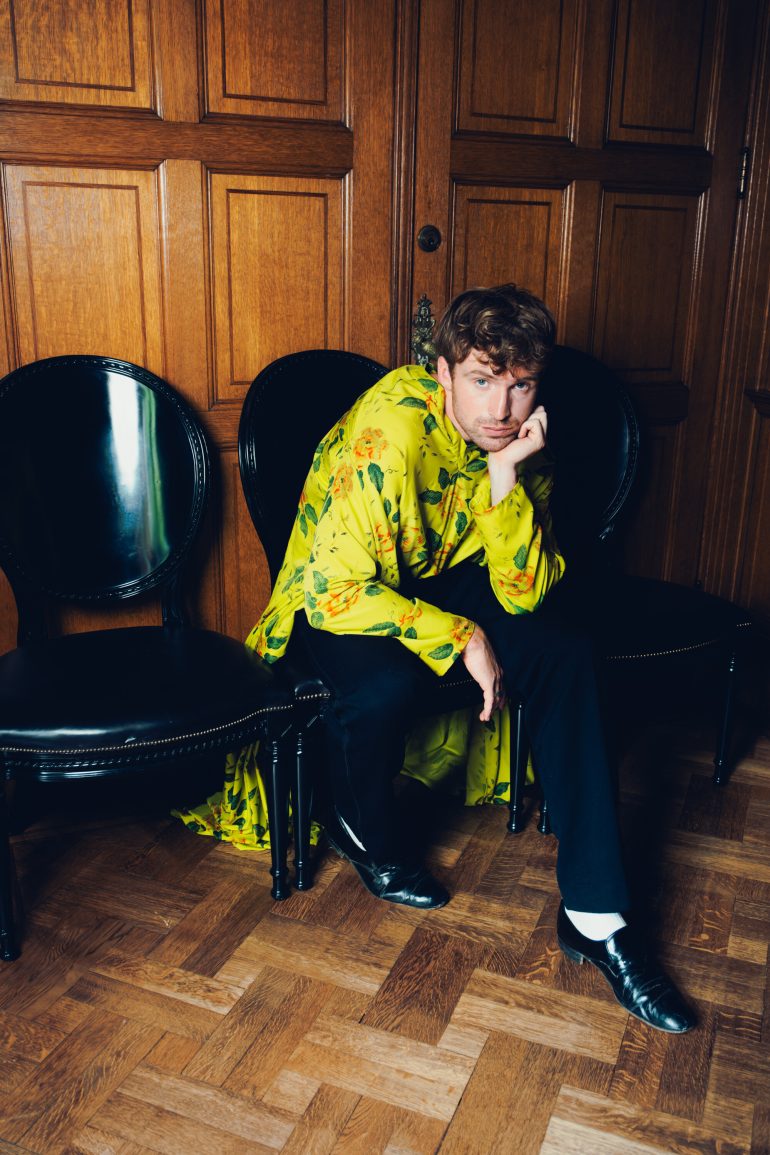
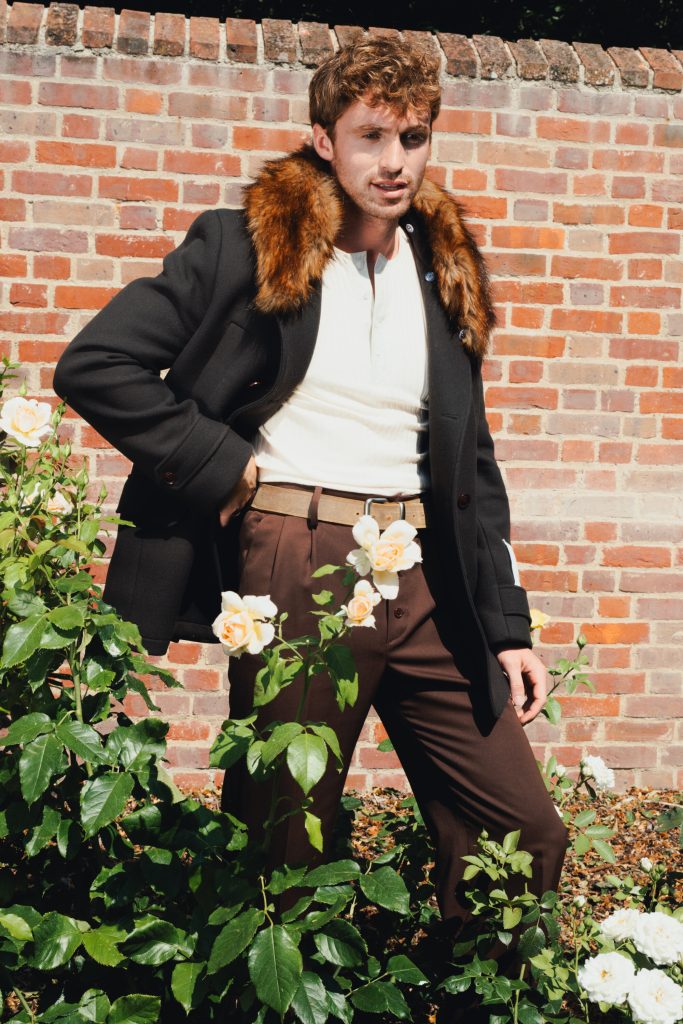
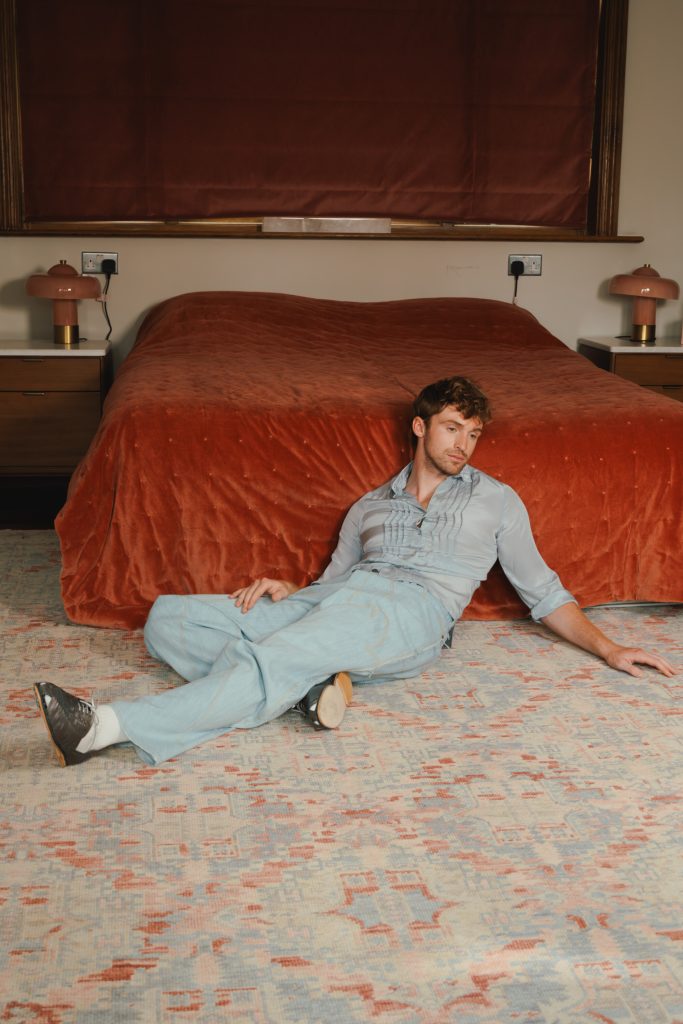
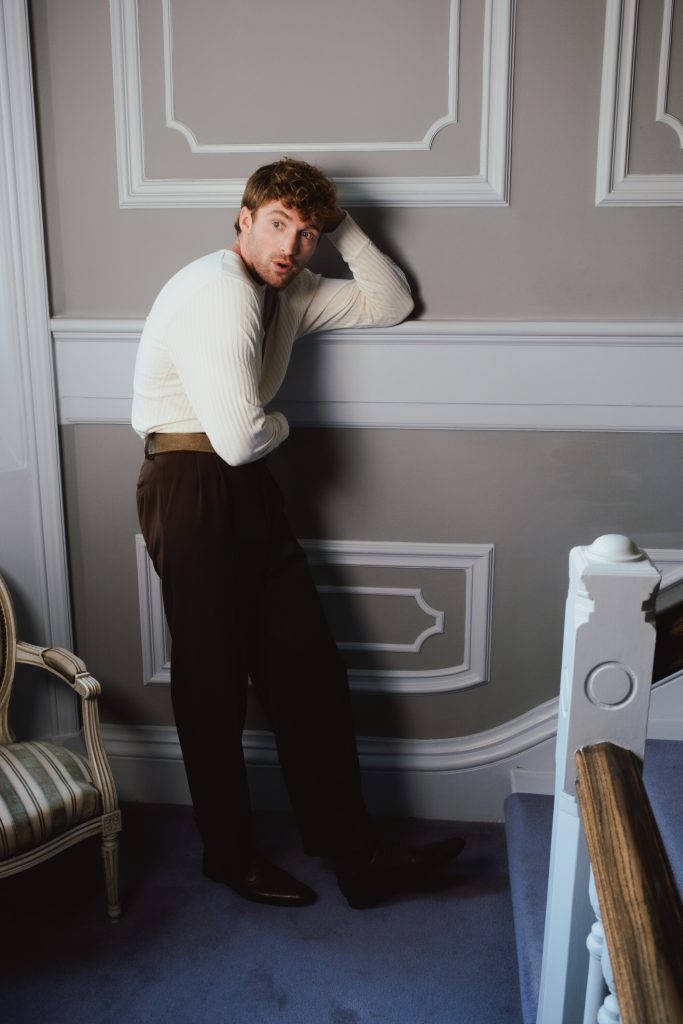
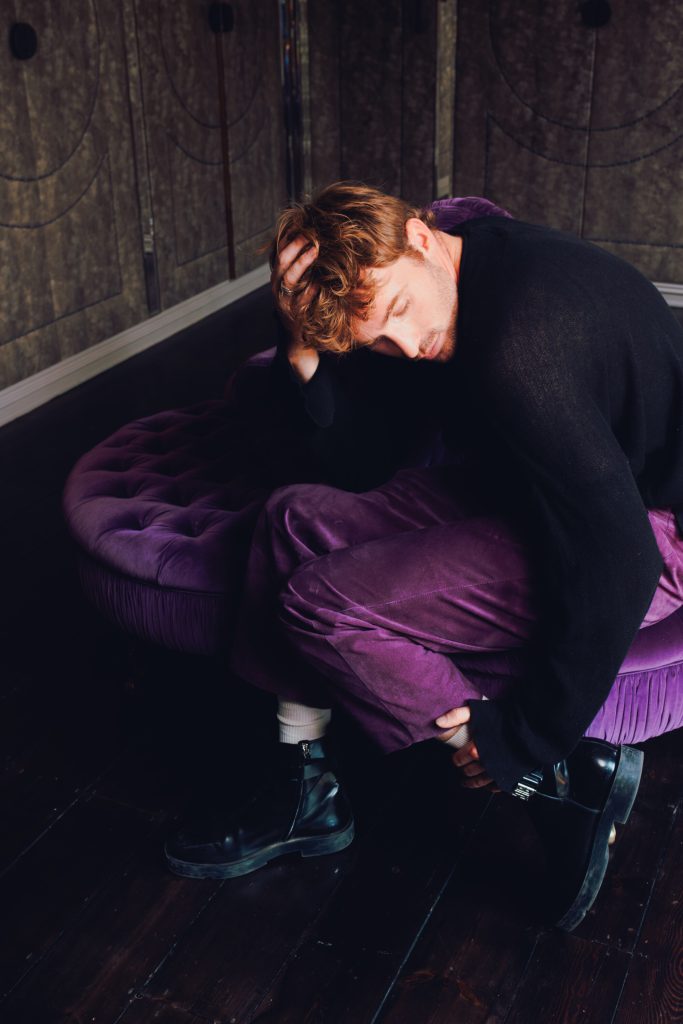
There’s something magnetic about Luc Rushmere. Somewhere between the ocean and mountains of his childhood in Cape Town and the unfamiliar energy of London, Luc has found a way of turning curiosity, emotion and spirituality into sound. The independent artist carries a calmness that feels almost spiritual. It’s a quality that comes through in his music, too — cinematic, emotional and expansive.
Having already performed across the UK, South Africa, Portugal and Spain, Luc is slowly making his way towards bigger stages, with a dream of one day playing the Royal Albert Hall. But for him, music seems less about chasing a destination and more about following whatever comes next. From discovering his voice as a teenager in his hometown to working with Craigie Dodds, his journey has been shaped by curiosity, spirituality and an openness to the unknown. Ahead of the release of his upcoming EP, we sat down with Luc to talk about music, feeling deeply, finding magic in life, and the places that have shaped him.
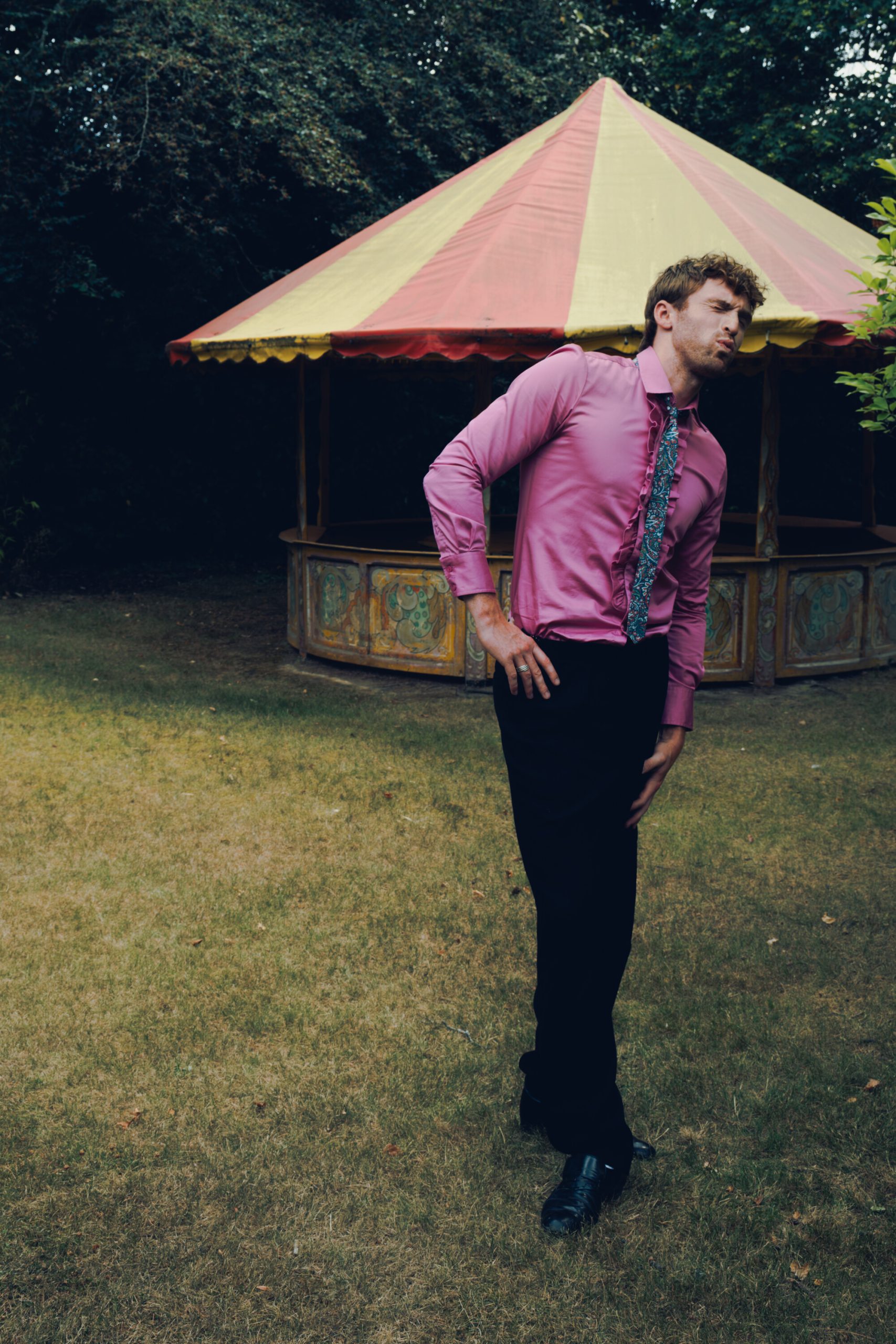
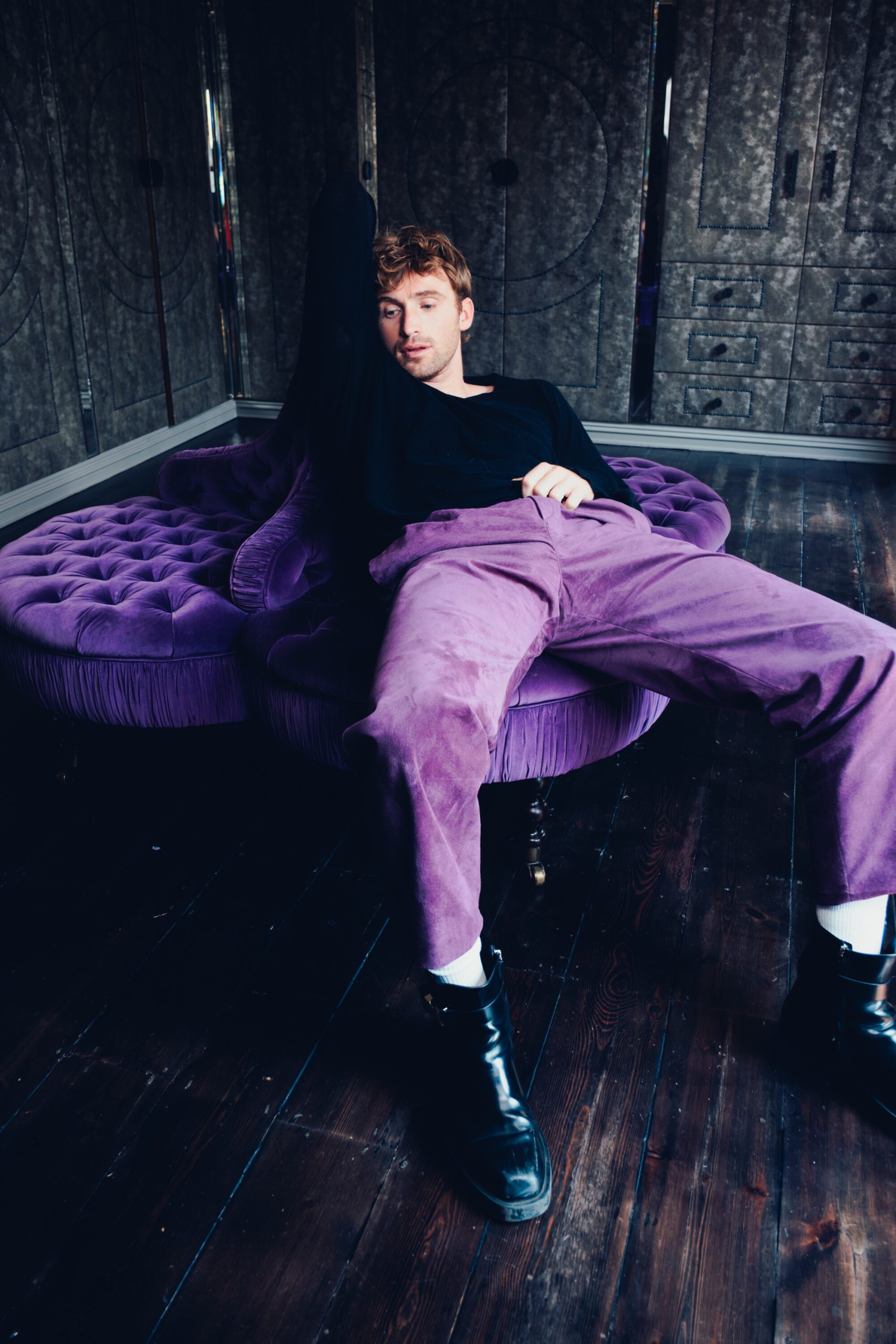
How has your music journey been so far? How did it all start?
At the age of 16, I decided to write my first song. I was at boarding school at the time, and everything was just about sports. It’s all about being the best player and the strongest man. I wasn’t really interested in all of that, and I decided to write a song. I had absolutely no experience with that, so I contacted a producer back in my hometown in Cape Town. They told me to send over some reference tracks, and they’d create an instrumental for me. So they made me an instrumental and I wrote my first song, which was called Live Life. My family didn’t know until I showed them eventually, and I showed my mom, and she cried the first time she heard it. And yeah, that was the beginning of my musical journey, and it hasn’t stopped since. So that was my entry point. My dad’s girlfriend at the time, her best friend was working in radio and he heard my music and encouraged me to pursue it further, telling me I had real talent and should start working towards an EP. So I just continued to write and make music. I had zero idea of what I was doing, and I also had zero idea of how to sing. I had no musical background but I just fell in love with it. It just randomly came to me, and it randomly found me.
And then I got vocal training in South Africa, where I really learned to hone my voice. Because at the beginning, my first songs were like rap, so I basically just spoke them because I had no idea how to sing. I was too scared to sing in the studio, I’d be so nervous. And yeah, I worked with this amazing vocal coach named Amanda in Cape Town, and she really took me through the steps, held my hand and guided me to find my voice over four years of working together. From there, I decided I wanted to give music a shot, so I applied to this university in Liverpool, which was Sir Paul McCartney’s music school, obviously in the home of the Beatles. I studied songwriting and performance there, where I really took my voice to the next level and developed my understanding of music.
At the time, I started working with an amazing producer named Craigie Dodds, and Craigie saw something in me, which I was really grateful for. He had obviously worked with amazing people like Amy Winehouse and Billie Eilish, and his discography is lengthy and beautiful. As soon as we said our first words to each other, I knew there was something quite special there. We made our first song over Zoom. It was called Amen. He played these chords on the piano, and they immediately resonated with me. He asked me to record some vocals over the track, which I nervously sent back. He said it wasn’t quite there yet and encouraged me to dig a little deeper. I thought, shit, he doesn’t like it. Then I took a break and went for a walk in the forest. Disconnecting from the music gave me a fresh perspective, and when I came back, everything just flowed. What I recorded became the song Amen. And that was the beginning of our work together. I then moved to Liverpool, but after a year I decided to drop out. I didn’t want to be in an environment where art was being graded. I kept thinking, how do you even grade art? That’s when I decided to move to London and continue working with Craigie. We continued to develop our EP, which is the four songs that I’ve created, and the fourth one will be coming out, as mentioned, on the 30th of October.
And yeah, after moving to London, I started to perform and just pushed myself out there. That’s kind of where I am. I’ve performed a couple of times at headline shows in London, which have been amazing, and yeah, we’re just continuously growing and learning. I still don’t know what I’m doing, but I’m just very grateful to have found this journey, and actually, for this journey to have found me, basically.

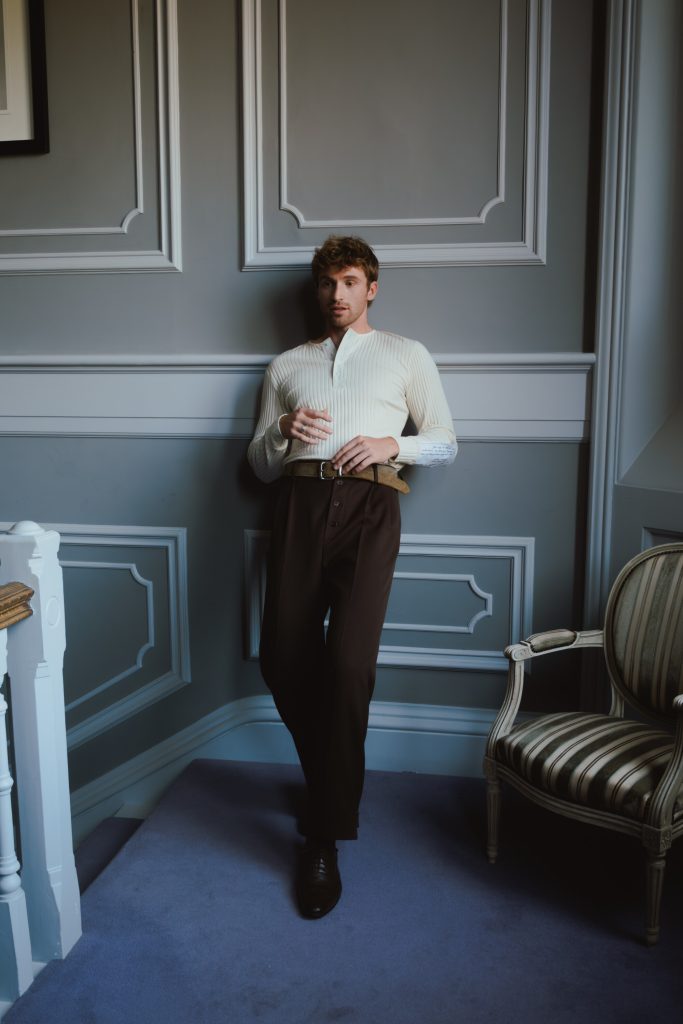
You started writing music as an act of rebellion. Does creating still feel rebellious to you, or has it become something else entirely?
For me it started as an act of rebellion, to confront my emotions and to speak to people in ways that I felt I couldn’t do face-to-face, human to human. And it definitely evolved into two things, and one of them is the essence of magic. I’m so obsessed with and excited by the magic of the world and the universe, even how energy works. I don’t know how to describe it. It’s almost indescribable in a way, but I feel like music is a way of capturing that magic of the world and describing it in a way that sometimes language can’t. You know, there are certain feelings or times when you feel so deeply that you actually can’t explain it in plain words, whether it’s deep pain or incredible elation, or beyond that or below that, and to put it into words is almost to lower the feeling. It almost takes away from the power of the feeling because it’s beyond words, what you’re feeling.
I think music has a way of tapping into that beyond. For me, it’s been a way of capturing the magic as well as being able to go deep within. You know, sometimes I don’t want to face what I’m feeling, or the power, or the grandness of what I’m feeling. Sometimes when I’m feeling really emotional about something, there’s this instinct to question why I’m feeling it so deeply. Music actually invites you to go into that feeling and sit with it. Music, poetry and art invite you, when things don’t really feel normal, it allows to fully feel them. And I think that’s also one of the most beautiful things about living, not just about music, but being able to feel deeply. I always say that my greatest fear in life is not being able to feel, to be so flat. We as humans are supposed to feel. We’re supposed to feel the great highs and the great lows. You know, it’s part of being human. And that flatness, that is the scariest place. And I have felt it at moments in my life, where there’s no inspiration, there’s no flavour to life. So I feel like music gives me access to feeling those feelings and exploring those emotions, as well as capturing the magic.
If someone had to understand you only through these four songs, what would they understand about you?
I think they’d understand that my music is like a sense of adventure. Each song takes you on an adventure, on a journey. So no song is ever just a straight line. There are emotions that arise and soften, get louder and quieter, cry more, or become more intense. There’s this kind of ebb and flow of movement and dynamics. And these are songs to accompany you on your own journey, wherever that may be.
I think what people could understand about me from these four songs is that I’m inquisitive and that I like to explore the depths and the heights of our human experience. I’m in love with the idea of transportation. My connection to music has always been about how a song can transport me and take me somewhere. Whether it’s going into a really sad emotion or flying high, feeling like I’m the guy, and I’m the main character, so I think my music shows my transportive nature. That’s one of my greatest connections to music. When I’m writing a song, I like to be transported. That’s the bottom line for me.
Do you think growing up between French and South African cultures has shaped your perspective as an artist? And how?
Absolutely. Well, firstly, a couple of my tracks have a lot of African drum elements because Craigie also grew up in Southern Africa. He likes to infuse those rhythms into the music, which feels very homely to me and connects with me really well. It’s quite interesting because we’ll have these acoustic moments that then move into a synth-heavy, driven song with an African drum. That connection between the indie-pop world and Africa is amazing, and I love that combination. African rhythm and music is so beautiful, moving and danceable. I think the people of Africa have some of the most beautiful voices, naturally, because of the way they grow up singing. There’s something very entrancing about it, almost like chanting, and I find the way music is used there very healing and medicinal. It’s also incredibly celebratory. I love the power of anthemic music, and I think that will always influence my work because I want to make anthems that people can chant together. The dream and the goal is to be able to fill stadiums of people singing together. It becomes so powerful when it’s more than one person, it becomes this very powerful movement.
And then France. I didn’t grow up there, so I didn’t have as much of a direct connection to it, but my mother is my connection to France. I think the French are very eloquent in the way they do things, and the French language is spoken so aesthetically and beautifully. That really resonates with my taste and my style. I obsess over the little things and the details, and there’s definitely a perfectionism in me that I inherited from my mother. I think those two influences, which is quite interesting because I’d never actually thought about this before this conversation, are the bonding of what my music actually is: the chanting, mantra-like quality of Africa, combined with the aesthetic sensibility of France. I think that combination is my music style.
You’ve lived in Cape Town, Liverpool and London, three places with completely different energies. Which city challenged you the most creatively, and which one felt the most like home?
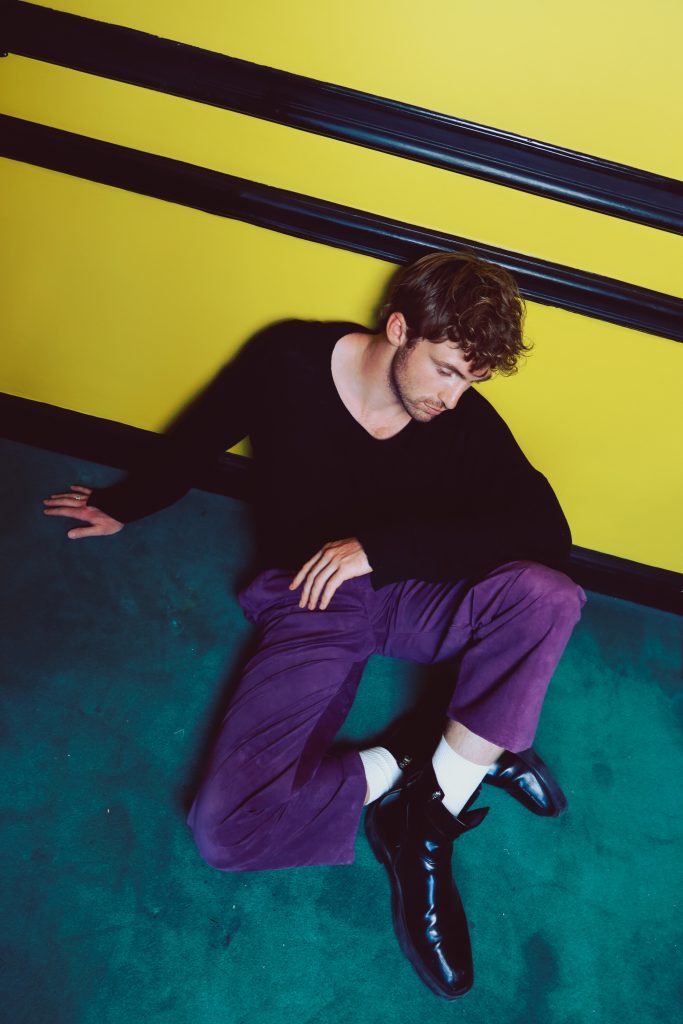
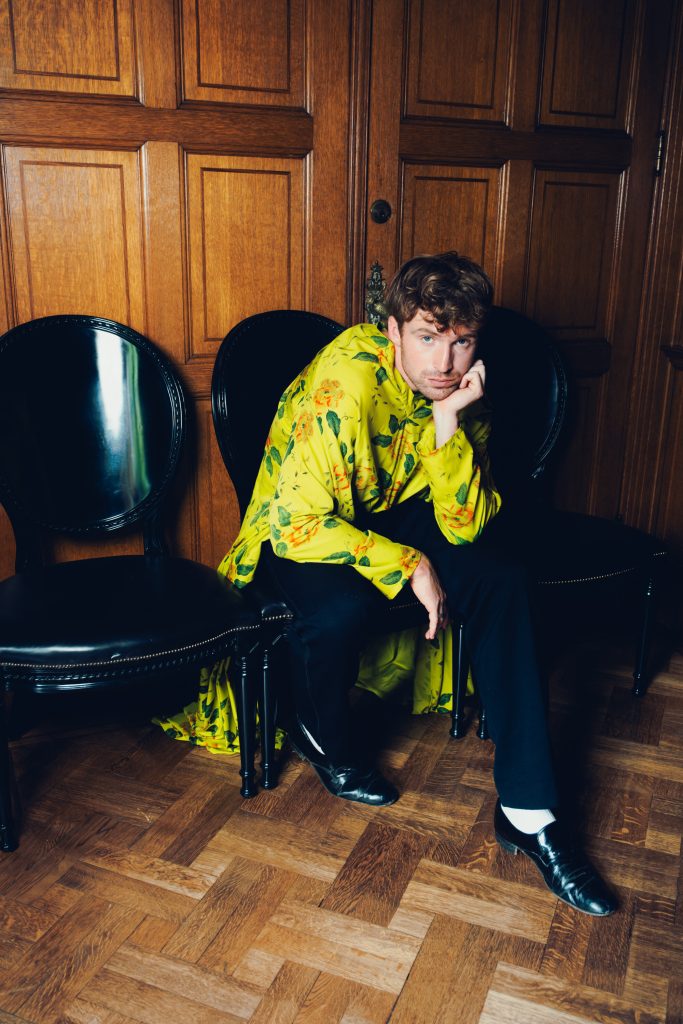
I’d say London challenged me the most. London is a very difficult city to live in. It’s very green, but it doesn’t have a lot of nature. It does have parks, but it doesn’t have that raw, natural beauty of mountains and big open spaces. Neither does it have the ocean, which I grew up swimming in and which is a very healing modality for me. So yeah, London has challenged me the most because, first of all, it’s a very daunting city. There are so many people trying to make it as artists, but it’s also very difficult, and I find that it doesn’t offer a lot of support for upcoming artists. It’s challenged me, but I’ve grown a lot as a human being in that space. I know that I’ve been stepping closer to people and places that can take me further and allow me to keep growing as a musician.
And then Cape Town has definitely felt the most like home and will always feel the most like home. I’ve always said I’ll probably retire here. If not, I’ll come back here and have kids at some point in my life, because growing up in Cape Town, barefoot, in the ocean and on the mountains, was honestly the best way to grow up. I would wish for every kid to grow up in this type of environment, where there’s this sense of community, openness and oneness. We have this beautiful saying, Ubuntu, which kind of celebrates our unity. It’s a very open, happy and warm place. Every time I come home, whether you’re going into a coffee shop or filling up your petrol, everyone is the kindest human being you’ve met. It will always feel like home. And yeah, that’s why I’m here for the next month. I’ll be getting my head into some writing and working on some songs. I’m just always grateful to be here.
You’ve described the EP as earth, water, air and fire. Can you tell us a bit more about this?
I feel like each song represents one of the four elements. Bonfire, obviously, has it in its name, it’s fire. It’s a very fiery song, and it feels like the soul is on fire. It really connects to that feeling of fire, and if you listen to it, you’ll feel that. Then Colorado is definitely based on Earth. For some reason, the imagery is very green for me, very much about landscapes. It’s talking about being in this beautiful state of nirvana, in some beautiful place, and to me it very much connects to Earth. And then we’ve got the ocean, so water. For me, that’s actually Amen, because it feels like a very emotional song. I really connect the roaring, moving ocean and the emotional quality of water to the feelings of Amen, which is also very spiritual. The water and the ocean are very spiritual to me, so that connection really works beautifully.
Then Evercross is air. It feels like a breath of air when you listen to it. Air is something that we often aren’t able to see and Evercross feels like living in that space. It’s all around us, almost supernatural, but something we can’t live without. It’s also a very spiritual song, and it talks about being on the cross in some parts. So each song relates to a different feeling or a different sense of the Earth, and that’s kind of why I related the four songs to the four elements.
Are these love songs?
No, they’re not. They could be love songs, but they could also be about so many other kinds of love and relationships. I tend to keep my songs quite ambiguous because I really enjoy it when people create their own meaning from them. For instance, Amen could be about a relationship, but it could also be about your relationship with your younger self, talking to yourself and saying, “I’m sorry for the pain that I’ve caused.” It could be about you and your partner, or your relationship with God or an energy. These songs have multiple dimensions and meanings.
You mentioned that emotions are a major driving force behind your songs. How has that evolved as you’ve grown, both as a person and as an artist?
Yeah, I think at the beginning it started with anger, towards people, myself, or feelings that I didn’t want to feel. But it became more of a journey of inquisitiveness, exploring the feeling I was experiencing, asking myself how I could go deeper into it and wanting to feel it more. It became more of an exploration of the magic, and then evolved into this feeling of being able to sit down with these emotions without knowing what I want to do and just fiddle around. Sometimes something will come, and sometimes it won’t. And when something does come, I get really excited because I get to tap into this unknown. For me, that’s the most beautiful part of the journey of writing songs. That’s how it’s evolved.
Working with Craigie Dodds sounds like it became more than a producer-artist relationship. Tell us a bit more about this journey with him.
Working with Craigie has just been one of the best things. He’s really been a mentor to me and helped me develop my sound as a musician, and also just to connect him on a human level has been amazing. To see his workflow and his dedication to art throughout his life has been really inspiring. He’s always been in my corner, always rooting for me, and he’s always wanted the best for my career. Obviously, you don’t always know what happens next and what takes off when, but he’s always stood in my corner and offered me advice. We have a very beautiful relationship where when we write songs together, I like to create the melody, and I go crazy on this journey and he’s very good with words, so we puzzle them together quite beautifully. And honestly, if I could, I would spend the rest of my life just writing songs with him. So we have a very special relationship that way. I’m very grateful to have met someone like him and to witness his dedication. He will spend 12 hours straight just trying to fix a certain something in a song and time does not matter to him. He dives into it and he goes deep, and that was really inspiring for me to see.
If someone listens to Evercross alone at 2 a.m., what feeling do you hope stays?
Honestly, my own meaning for Evercross is very different from what it meant to me when I wrote it. When we wrote it, there was a line in my head, “Everything will be okay as soon as you’re okay with everything.” It was about understanding that things are going to be bad and things are going to be good, and whatever our circumstances are, there is a sense of acceptance and surrender in being okay with them. That would be a beautiful place to get to, but as human beings, we really struggle with that. When there’s pain or discomfort, we’re constantly trying to find our way out of it. Evercross became that feeling of not wanting to feel pain anymore and asking why we have to go through it.
But on the other side of that, we do have to feel these pains because this is why we care. It’s part of our experience. It’s the yin and yang, the low and the high. It’s part of being human. So that idea of everything being okay as soon as you’re okay with everything became the foundation of Evercross, this feeling that everything is perfectly unfolding and that it’s okay to surrender to it. Now my relationship with the song has changed since then. When I listen to it now, I think about my sister, who got cancer when she was about three years old. I was 10, and I didn’t know how to deal with it. I just hid away. I don’t even remember those years of my life. Thank God she’s okay now, but looking back, I realise how I took that feeling and just hid away. There’s a line in the song about “hiding away and being in my own world while someone else is in theirs”. It speaks to that feeling of being completely disconnected. We are in the same family, and I was there as her older brother, but I didn’t know how to process what was happening. I just did what I knew I could do as a 10-year-old. It’s amazing how these songs can take on different meanings at different points in your life, and I personally love that.
As you look to the future, what should listeners expect from Luc Rushmere?
More music, to make you feel and to take you into a journey, and to continue rising as an artist. I want to perform more and I wanna play the Royal Albert Hall, I have put it out in the universe and expect it to happen. I am very excited for my journey to unfold, I don’t know how it’s going to unfold, but I know it’s going to be in a way that I will be super grateful for. I am grateful for my joinery so far and I am looking forward to seeing where the second half of my twenties take me. So stay tuned, I hope you enjoy the music and I hope we can connect.
Follow Luc Rushmere on Instagram
Words: Nandini Bhattacharya
Photographer: Hannah Bowker
Stylist & Movement Director: Tiamani Howard-Jones
Styling Assistant: Grace Murray
Makeup Artist: Juna Uehara