

APICCAPS: Driving Portugal’s Footwear Industry Forward
At the heart of Portugal’s footwear ecosystem is APICCAPS. Founded in 1975 and based in Porto, APICCAPS represents a nationwide network of the footwear industry and equipment for these sectors. Its 700 members include manufacturers, component suppliers, and companies whose activities support the industry. The organisation’s mission is to promote the development, competitiveness, and international visibility of the Portuguese footwear cluster. Its main areas of action include internationalisation, technical support, innovation, professional training, ICT integration, quality and environmental initiatives, and facilitating knowledge exchange across companies. By combining advocacy, research, and hands-on projects, APICCAPS ensures the Portuguese footwear sector remains at the forefront of global trends while maintaining its heritage of craftsmanship and technical excellence.
During our visit to Portuguese Footwear Technological Center (CTCP), we saw firsthand how APICCAPS extends its work into education. In partnership with schools, they run engaging initiatives to introduce children to Portugal’s footwear sector. Students are challenged to create shoes from recycled materials, turning sustainability and design into a playful, hands-on learning experience. Once the projects are completed, the children’s work is presented in a showcase evening, celebrating creativity and highlighting the possibilities within the local footwear industry. This approach is both educational and inspiring, nurturing the next generation of designers and makers in Portugal.
By fostering this connection between education and craftsmanship, APICCAPS ensures that Portugal’s footwear sector is not just strong today but equipped for the future. It’s a rare example of an organisation that combines global ambition with community engagement, bridging the gap between tradition and innovation while inspiring young talent to dream big.


The Relationship Between Creativity and Production
One of the most interesting aspects of the Portuguese fashion landscape is the closeness between studio and factory. Designers are able to collaborate directly with manufacturers, prototype efficiently, and refine their ideas alongside technicians and engineers. At the centre of this ecosystem stands APICCAPS, which plays a key role in strengthening the connection between innovation, internationalisation and sustainable growth within the sector. The Portuguese footwear cluster operates in a vertically integrated way, with manufacturers, component suppliers, tanneries and technology centres working side by side allowing for flexibility, quality control and rapid development. This infrastructure transforms creative concepts into tangible products with precision and speed.
Precision & Performance
Visiting factories and institutions in Porto revealed the depth behind the “Made in Portugal” label, an industry built on technical expertise, craftsmanship and constant innovation.
At CTCP, the scientific backbone of the industry becomes clear. CTCP supports footwear and leather goods companies through research, certification, and technological development. Shoes are rigorously tested: climatic chambers simulate temperatures up to 54 degrees to evaluate compostability under European bio-based standards; machines measure sweat absorption in insoles; others test heel shock absorption, toe cap resistance, slip resistance and abrasion. Even specialised equipment tests forestry footwear and motorcycle helmets against safety standards. This level of precision ensures that Portuguese footwear meets both aesthetic and performance expectations.

Sustainability and Responsible Production
Environmental responsibility is increasingly embedded into sourcing and production systems across the sector. At CTCP, compostability and material durability are tested scientifically to meet European standards. At Procalçado, owner of Lemon Jelly and WOCK, sustainability appears in practice. Rubber materials are reused and ground down for new purposes, reducing waste within the production cycle. Colour preparation is done in-house, and material control allows for greater traceability.
Meanwhile, Bolflex has introduced its 360º green shoe concept, recycling entire shoes to create new soles. It is circular thinking applied directly to industrial scale production. Sustainability here is not performative, it is operational.
The Process of Making a Shoe
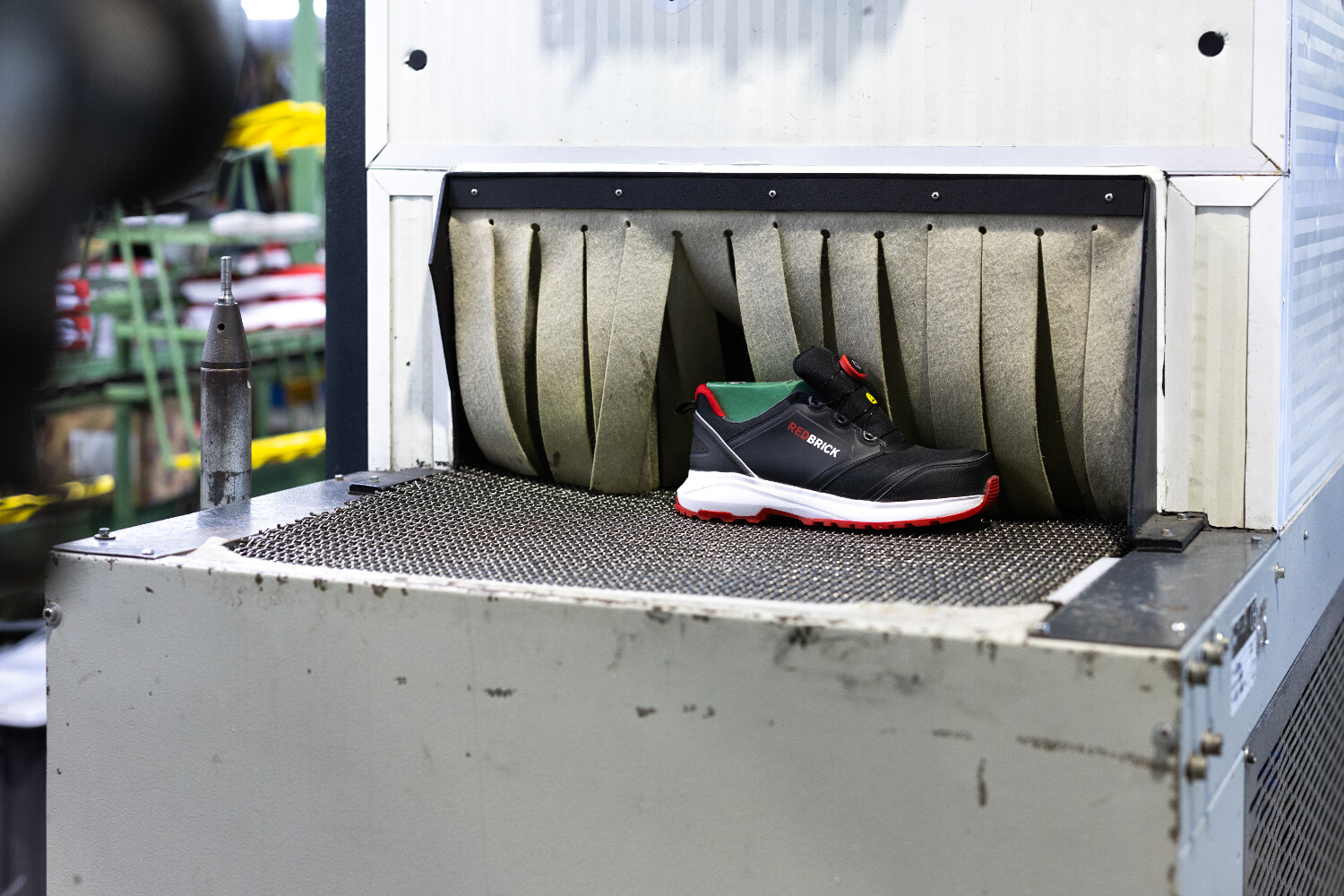
Understanding the process reveals the complexity behind each pair. From design development and prototyping to mould creation, injection, stitching and finishing, footwear production is a layered sequence of technical decisions.
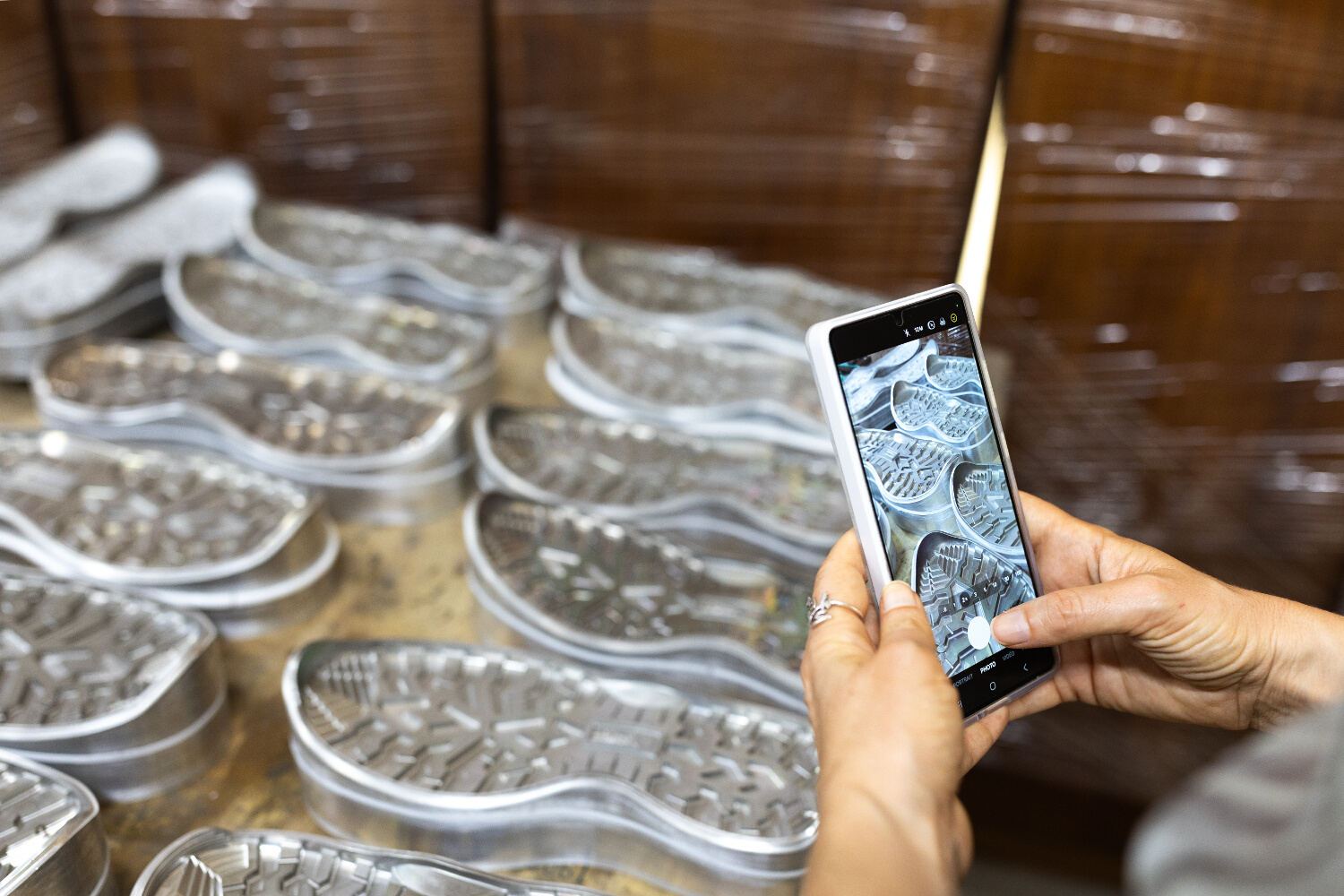
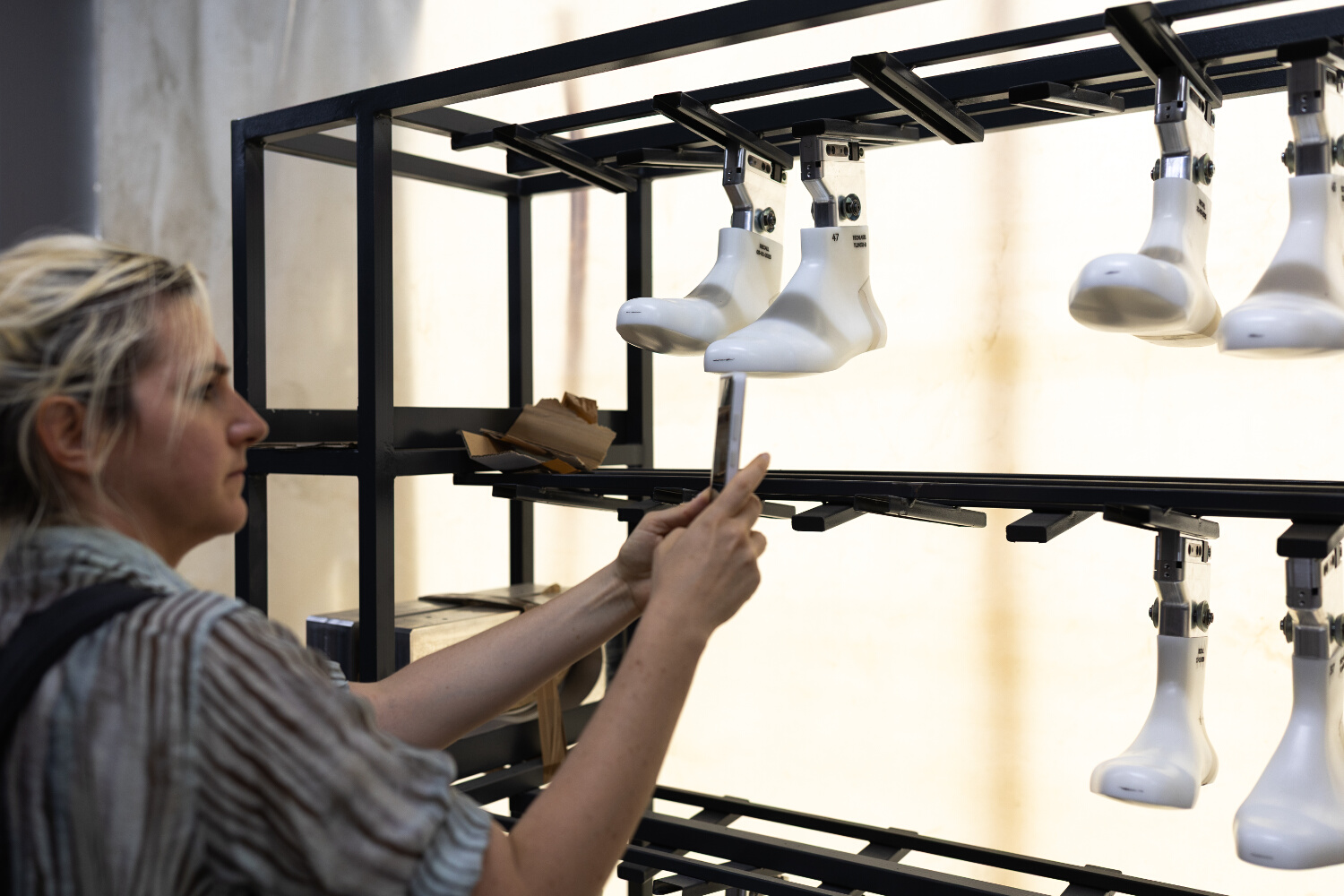
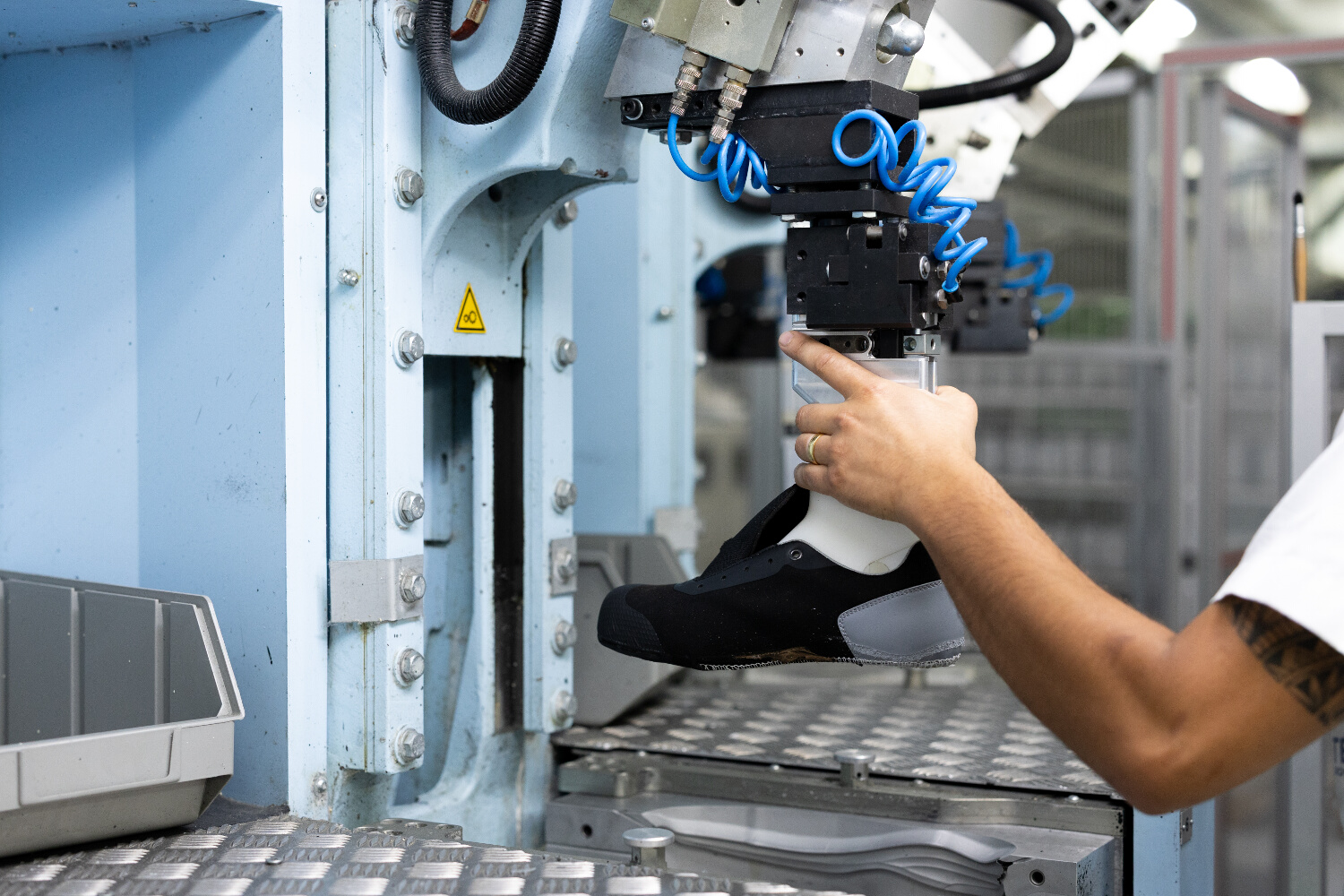
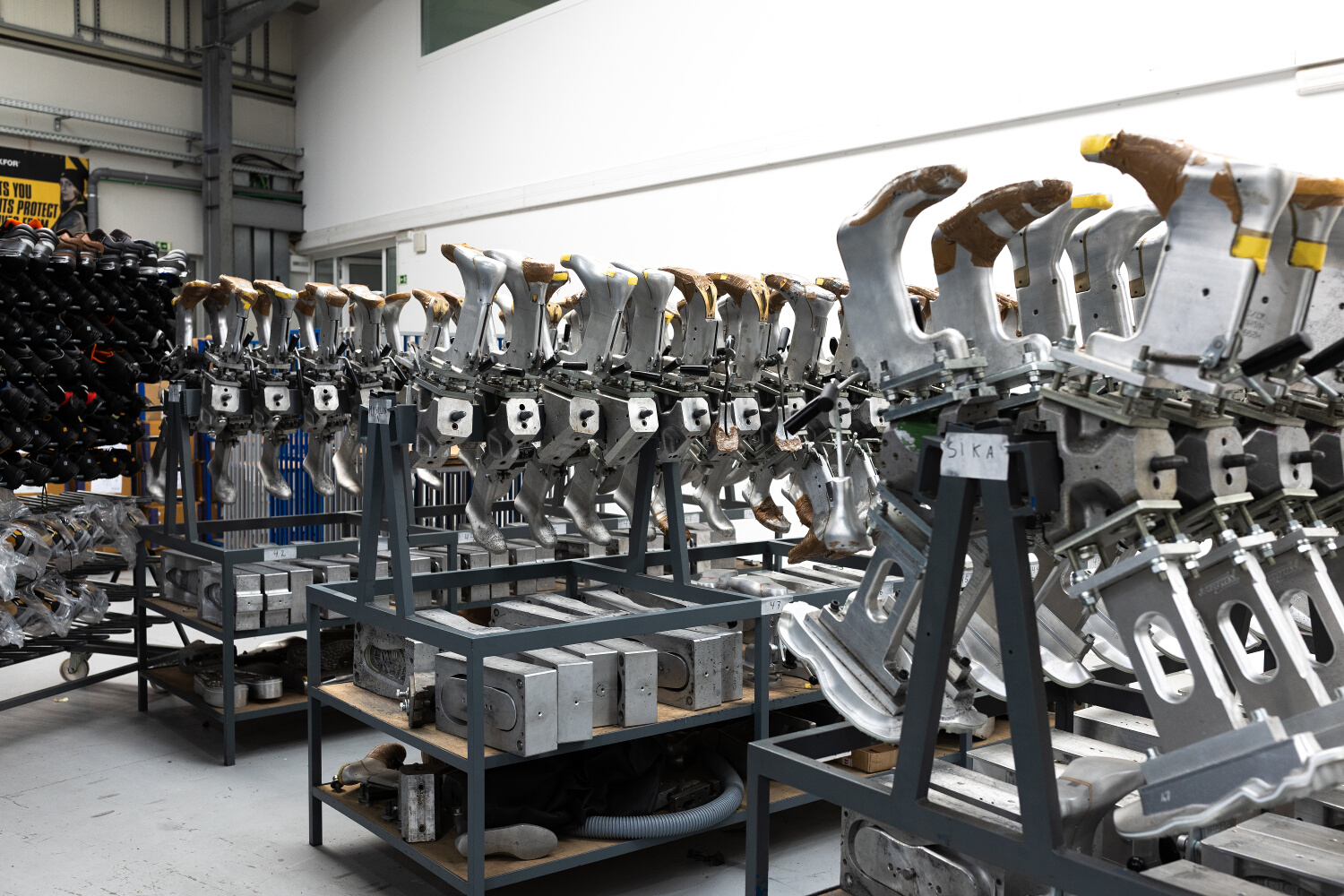
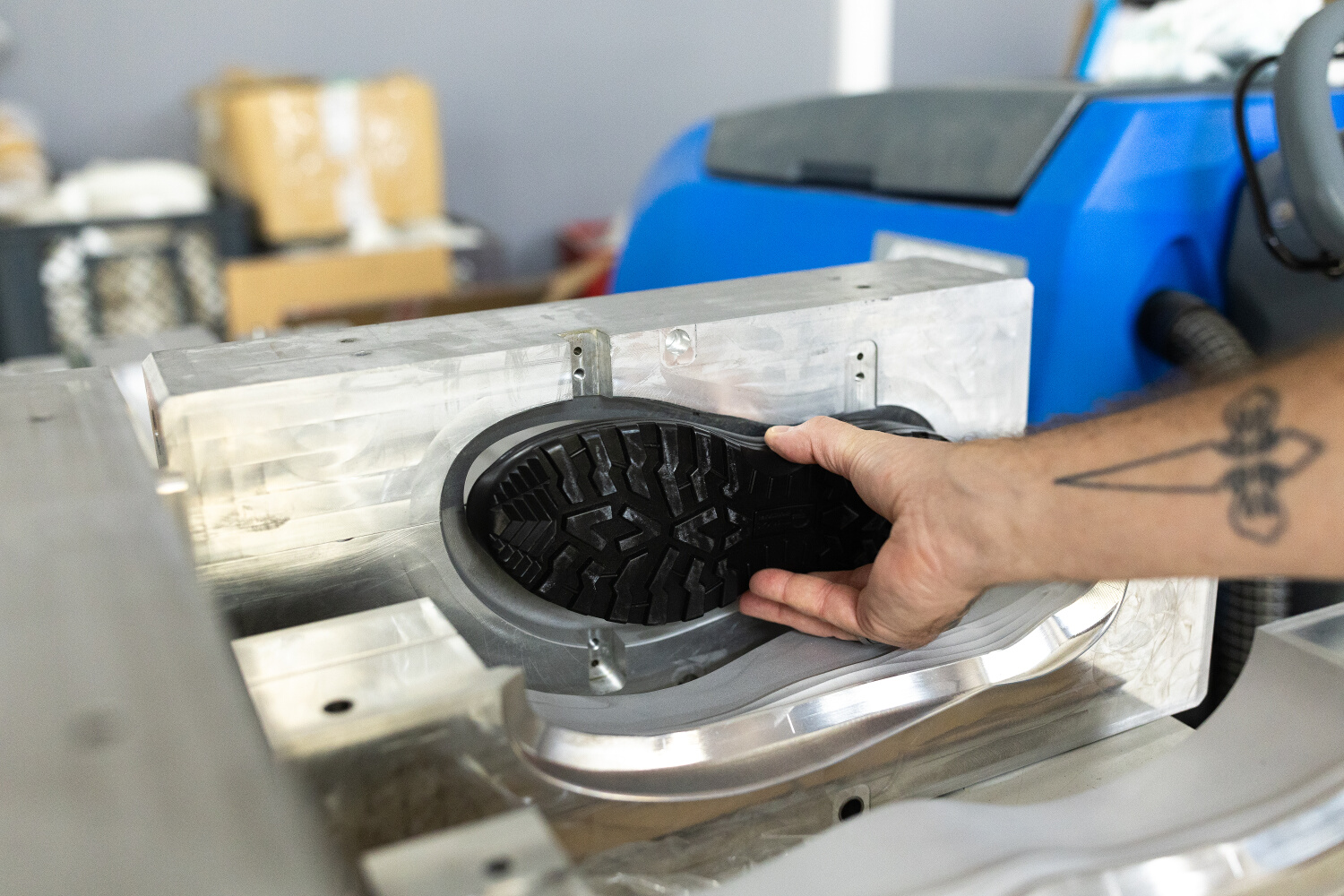
At Bolflex, development can begin with wooden mock-ups before moving into casting and silicone mould creation. At Procalçado, injection-moulding technology shapes entire footwear structures with efficiency and consistency. In other facilities, individual components can be 3D printed separately and later assembled, accelerating prototyping while reducing material waste. Each stage refines the balance between comfort, durability and design intent.
Craftsmanship
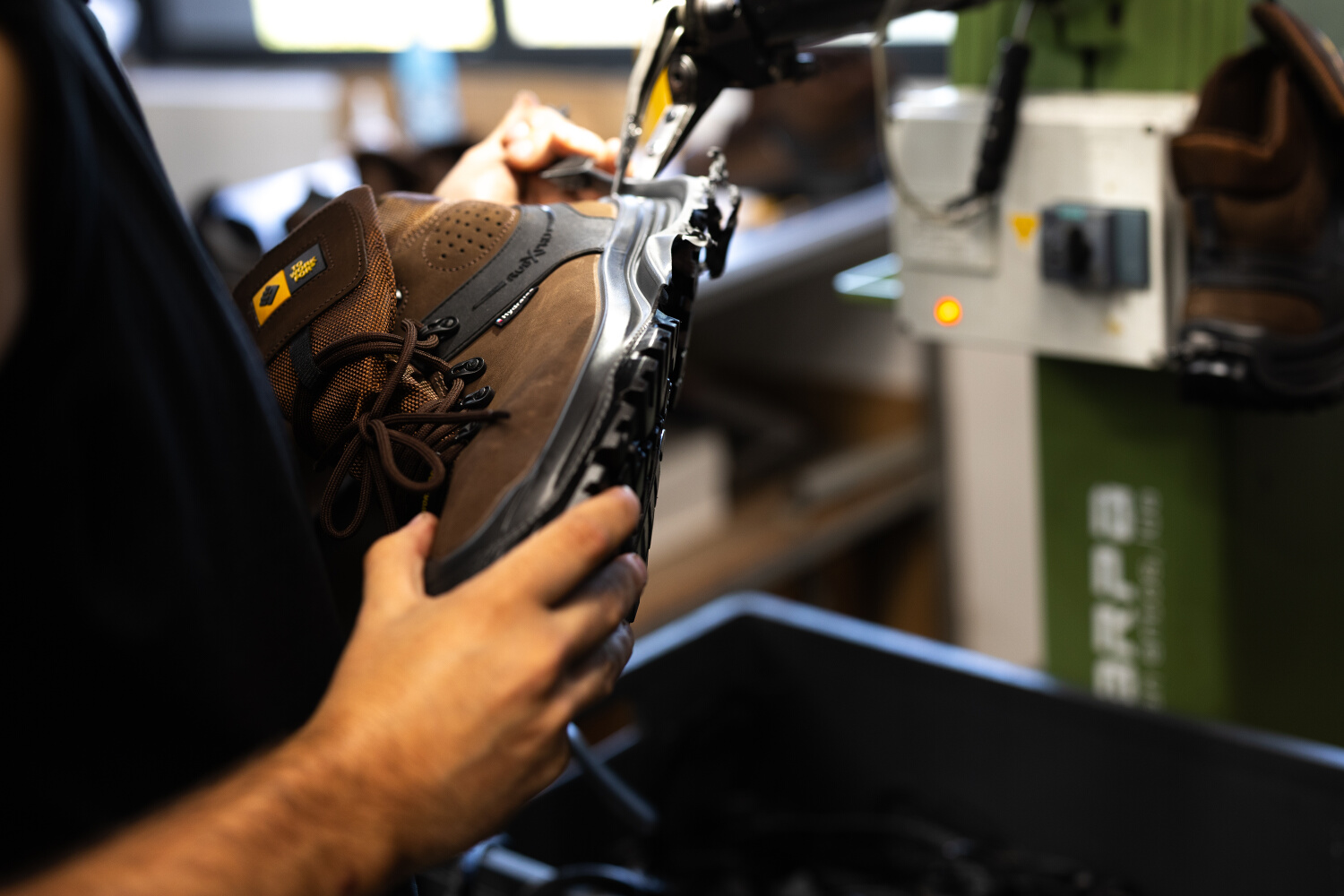
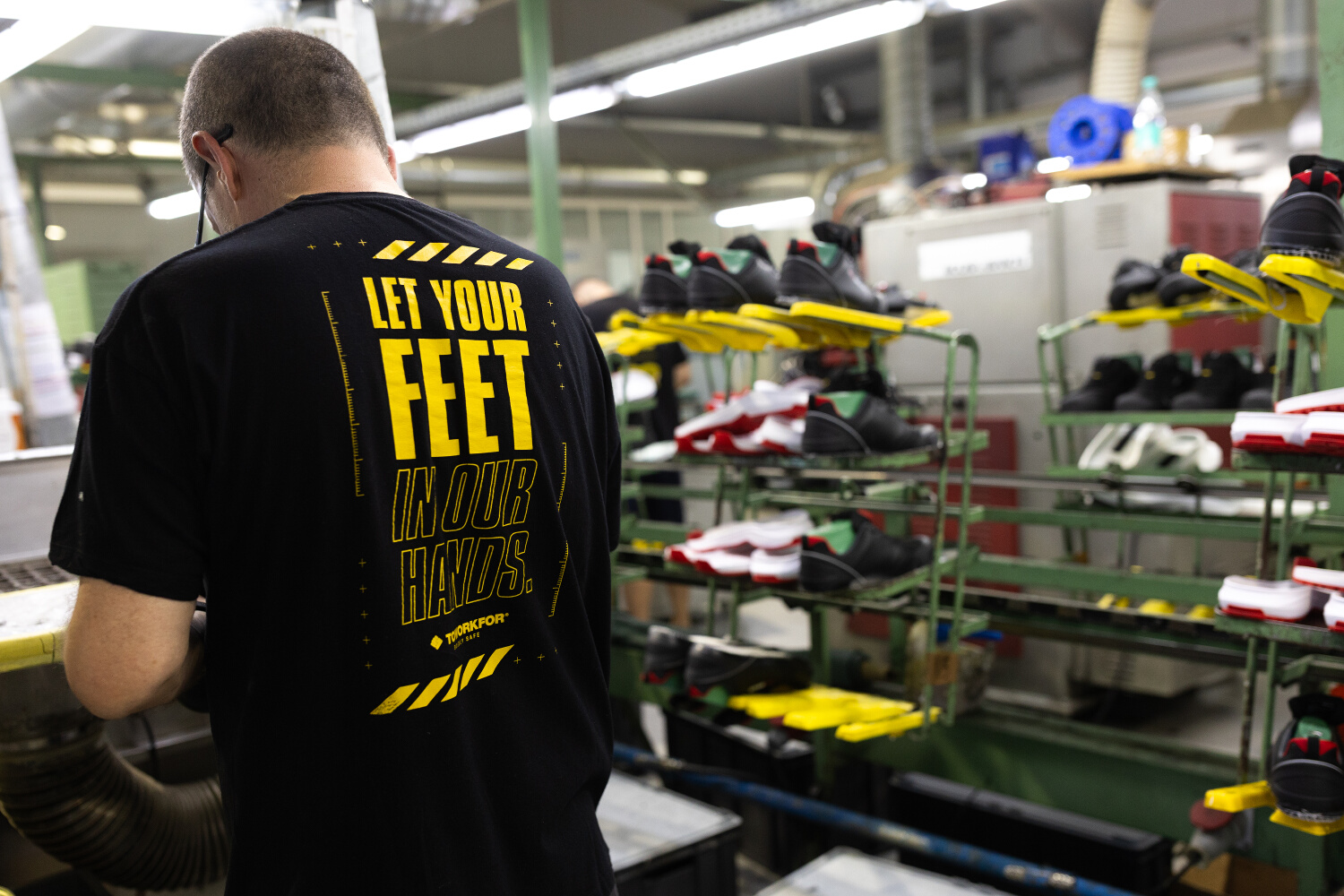
Despite advanced machinery, craftsmanship remains central. Skilled artisans, glue soles and assemble components with techniques refined over decades. CTCP reinforces this by offering workshops and training programs for students and schools, teaching cutting, stitching, leatherwork and assembly. Different courses require different training periods, ensuring that traditional skills are preserved even as the industry modernises.
The message across every visit was clear: technology is there to support artisans, particularly in dangerous or repetitive processes not to replace them. The strength of Portuguese footwear lies in this balance.
Technology and Innovation
Innovation is visible at every level of production. Through partnerships such as FAIST, digital systems allow for 3D printing of prototypes and individual components, which can then be assembled physically. 3D printing technologies enhance precision, while advanced embroidery systems can apply multiple colours using a single white thread, optimising efficiency.
At AMF Safety Shoes, known for brands such as TOWORKFOR, technology merges directly with performance. Soles developed in collaboration with Michelin integrate advanced anti-slip systems, with injection processes forming precise ridge structures to enhance grip and durability. Here, innovation enhances safety, aesthetics and function.
Investment in the Future
Factories across the region are evolving to remain competitive within Europe’s shifting manufacturing landscape. Automation is introduced strategically. Digital modelling accelerates development. Sustainability frameworks are embedded into sourcing. Training programmes prepare the next generation of skilled workers.
Portugal’s footwear cluster is not standing still; it is adapting, investing and refining its position as a global leader in high-value production. Experiencing this ecosystem firsthand revealed that Portugal’s strength lies not in choosing between craft and technology, or creativity and industry, but in integrating them.
A special thank you to APICCAPS for hosting our footwear tour visits.
Follow Portuguese Footwear by APICCAPS on Instagram
Words: Jamila Woodley
Factory tour photography: Vânia Carneiro
Product photography: Frederico Martins