
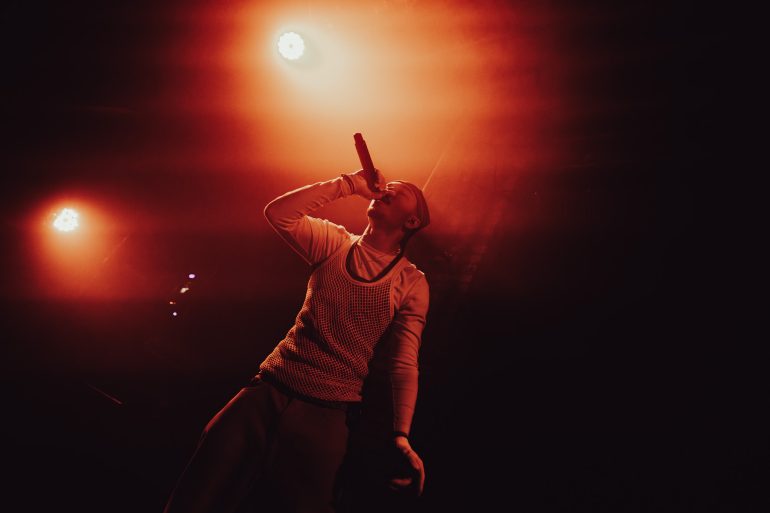
Some albums ask to be understood immediately. Wesley Joseph’s debut album Forever Ends Someday doesn’t.
Wesley Joseph has always belonged to the artists who turn feeling into form, making records that don’t just describe emotion but seem to move through it in real time.
On Forever Ends Someday, his debut album, he widens that language into something more panoramic. He sounds like someone trying to document that feeling before it disappears. The album moves like a film reel left out in the rain: warped soul, distant rap cadences, shoe-gaze textures, clipped voice notes of grief and longing all bleeding into one another. Across the record, Joseph folds together ambient electronics, left field R&B and fractured club music without ever sounding interested in genre as a destination.
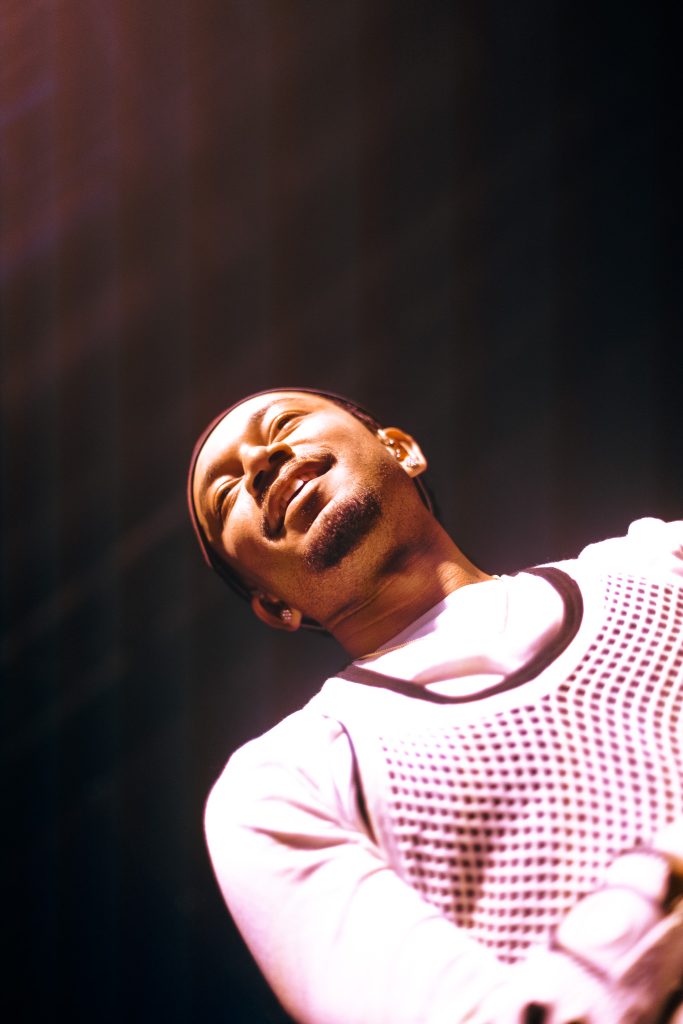
The album has been described as ambitious, novelistic and autobiographical, and that feels right.
The thing that makes the album land so hard is its restraint. Most artists making music this cinematic would fill every silence with drama. Joseph does the opposite. He lets songs drift half-open. Hooks arrive and disappear before they fully bloom. Bass lines threaten collapse instead of explosion. Even on tracks like “Peace Of Mind”, where the Danny Brown feature tears through the mix like a warning siren, the tension feels internal rather than theatrical.
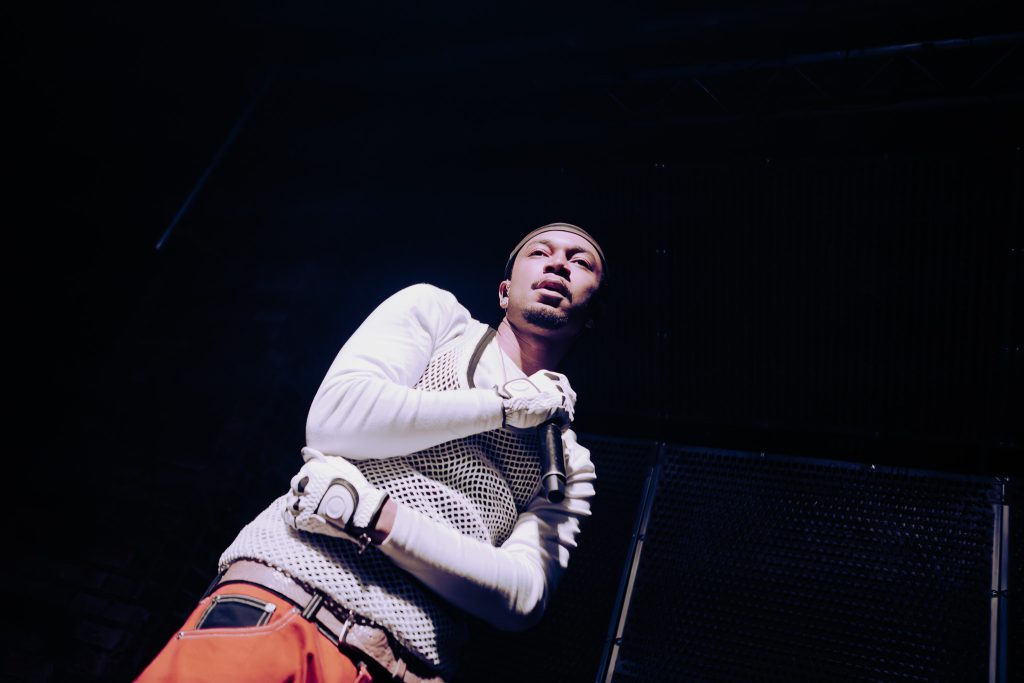
That same quality carried into his recent show at Fabric in London. In a room that often rewards intensity, he chose atmosphere instead: letting the songs breathe, letting the crowd sit inside them, and turning the night into something more communal than performative. It felt less like a showcase than an extension of the album’s inner world.
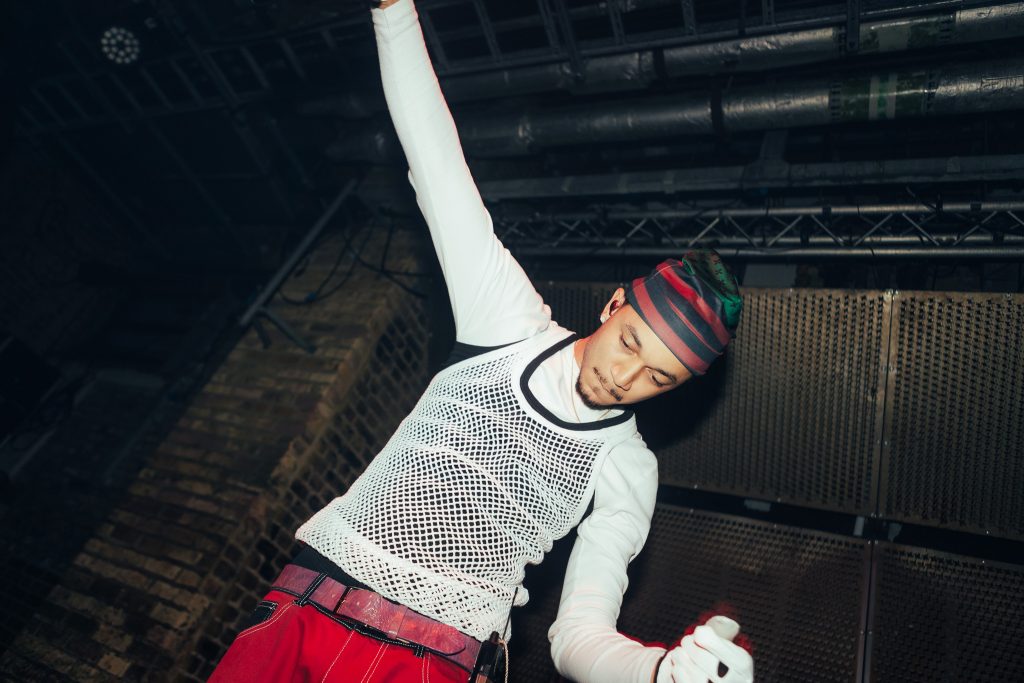
The live show never tried to “lift” the album into something bigger than itself. No oversized gestures. No attempts to force catharsis onto the room. Joseph walked through the set with the same careful emotional distance that defines the record, letting the lighting rigs and heavy low-end do part of the storytelling for him.
And somehow that made the crowd lean in harder.
Fabric has always been a room built for surrender – sweat, bass, and disappearance into anonymity.
Yet Joseph turned it into something strangely intimate.
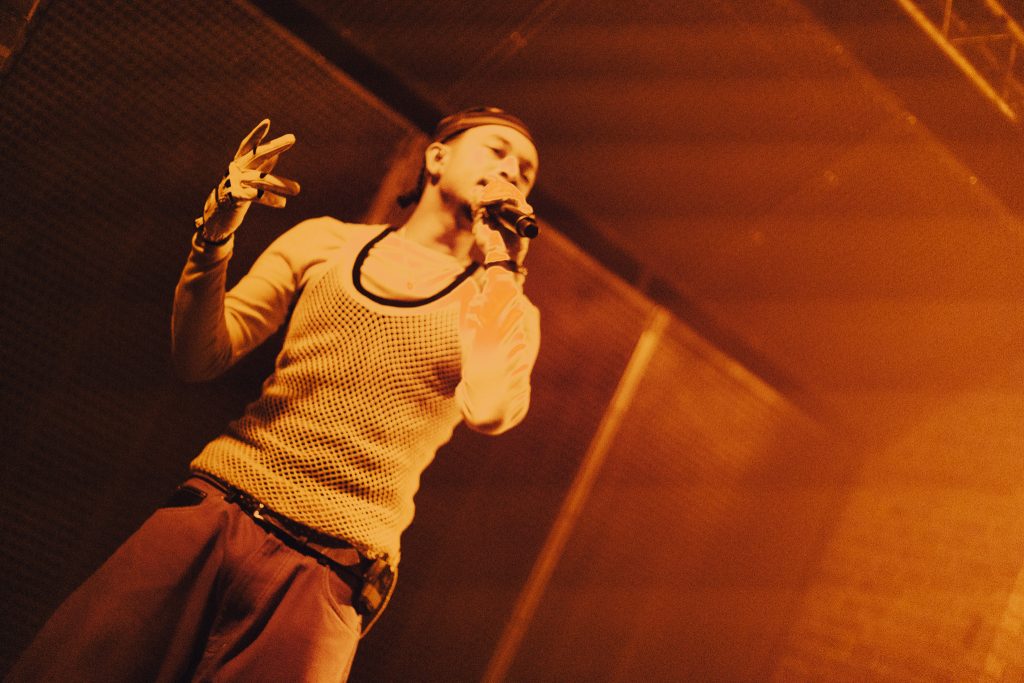
What makes Joseph compelling right now is that he resists the pressure to make everything immediate. A lot of artists working around the edges of UK rap and alternative R&B are pushing towards bigger hooks or cleaner narratives. Joseph seems more interested in uncertainty. His songs often feel unfinished in a deliberate way, like thoughts still being processed in real time.
Live, that translated into a set that felt deeply personal without ever becoming overly confessional. Moments landed because of their subtlety, a beat dropping out unexpectedly, vocals dissolving into synths, the room falling quiet before the bass returned.
Forever Ends Someday works for the same reason. It’s an album built around tension rather than release, and at Fabric that tension became physical. Not through huge gestures or crowd-baiting moments, but through atmosphere, pacing and trust in the audience to sit with the feeling.
By the end of the night, the final tracks felt less like conclusions and more like loose ends hanging in the air. Maybe that’s the point of Wesley Joseph’s music, not to resolve anything, but to stay inside the feeling a little longer. As he repeats, “nothing lasts forever anyway,” the line lands less like defeat and more like acceptance.

Follow Wesley Joseph on Instagram
Words and Photography: Vee Pandey